Plastic Injection Molding Services in California by Ronningen Research and Development
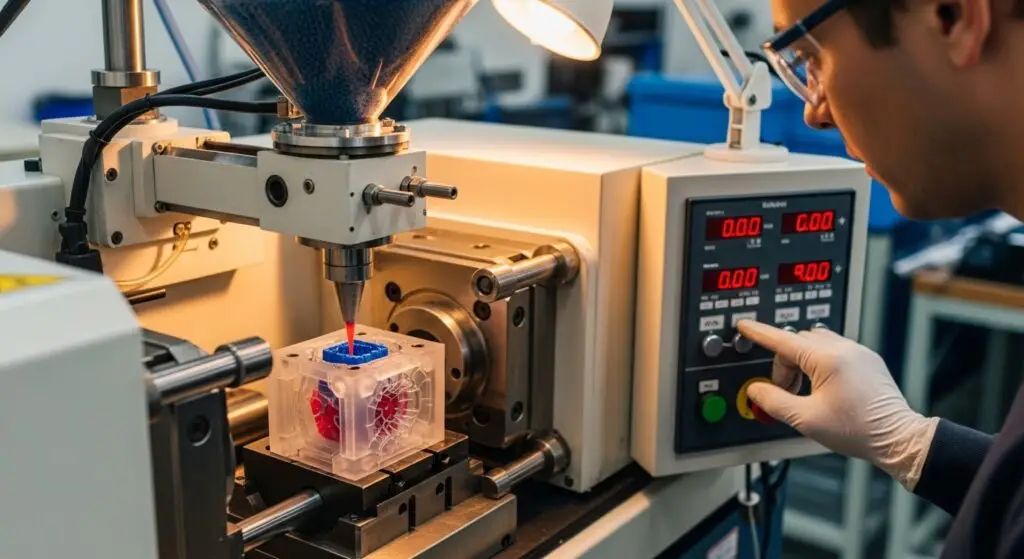
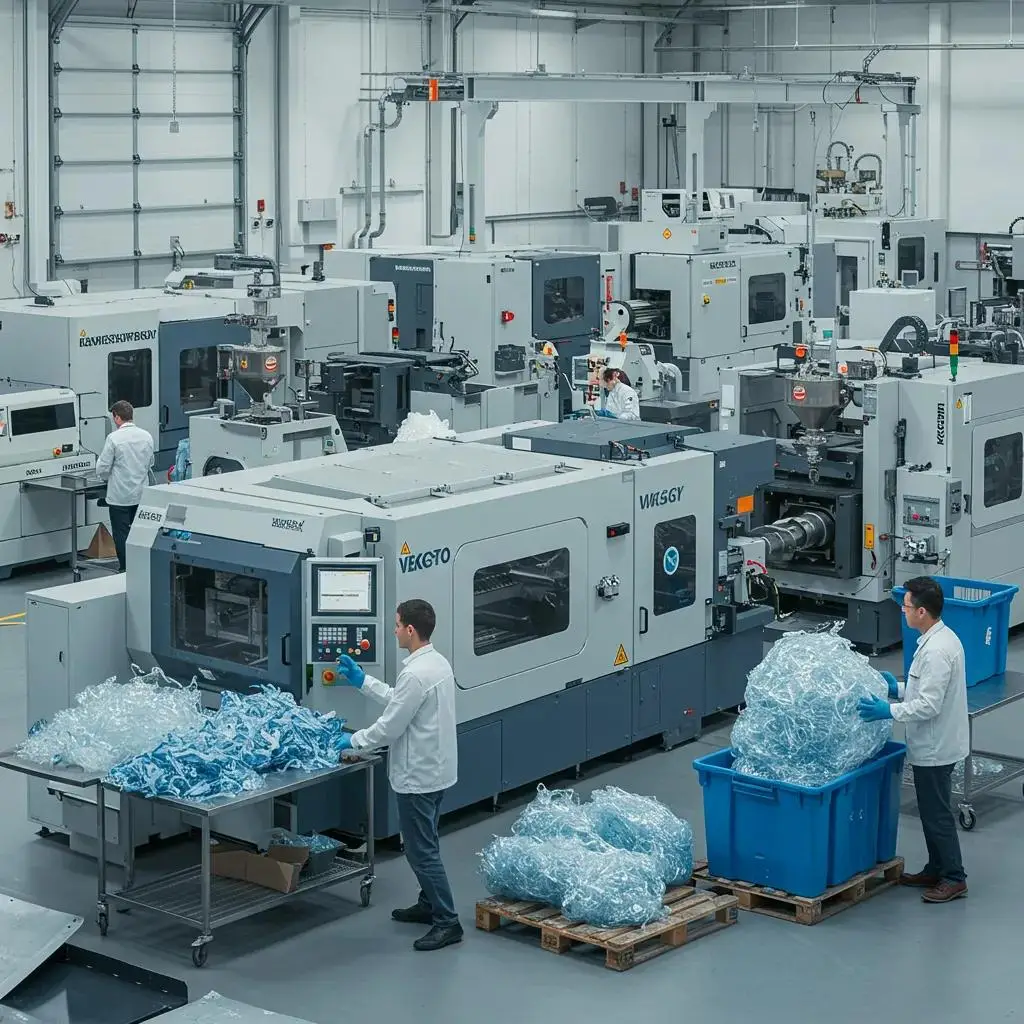
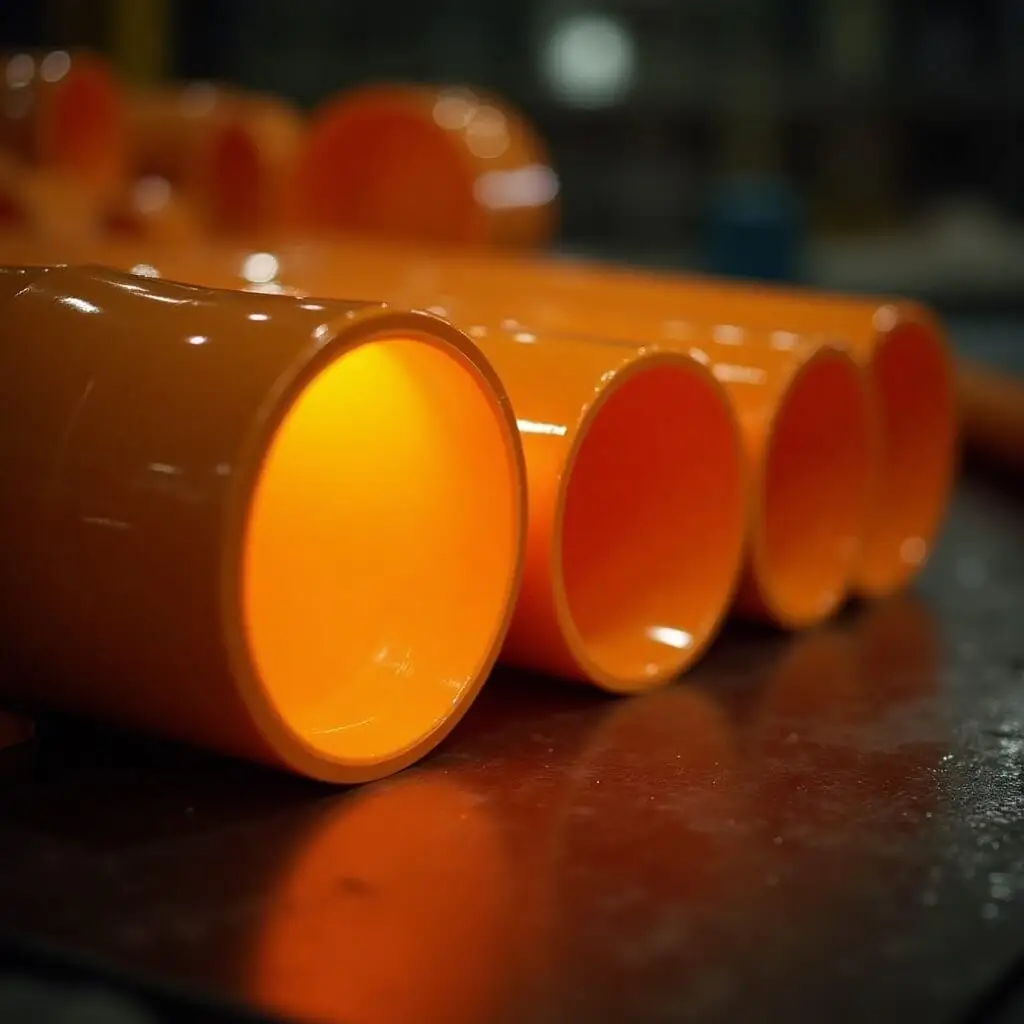
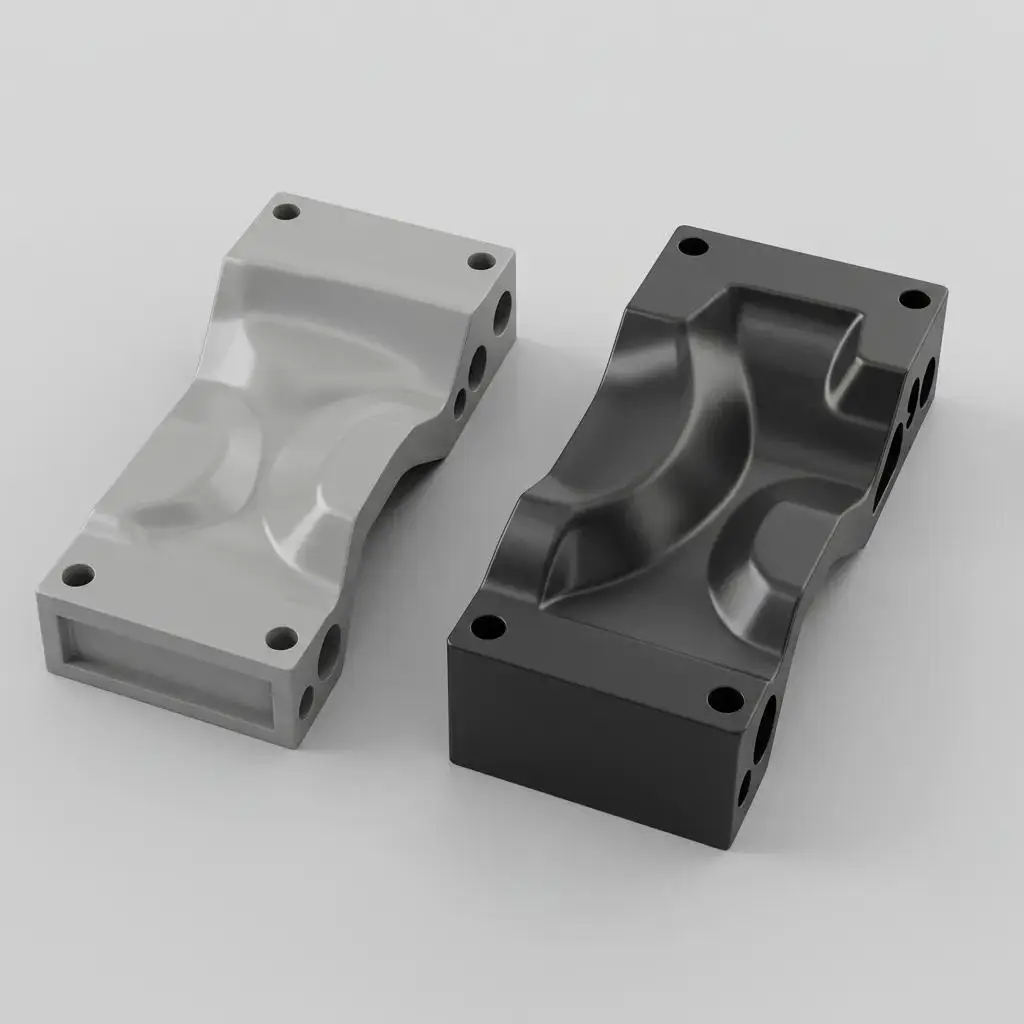
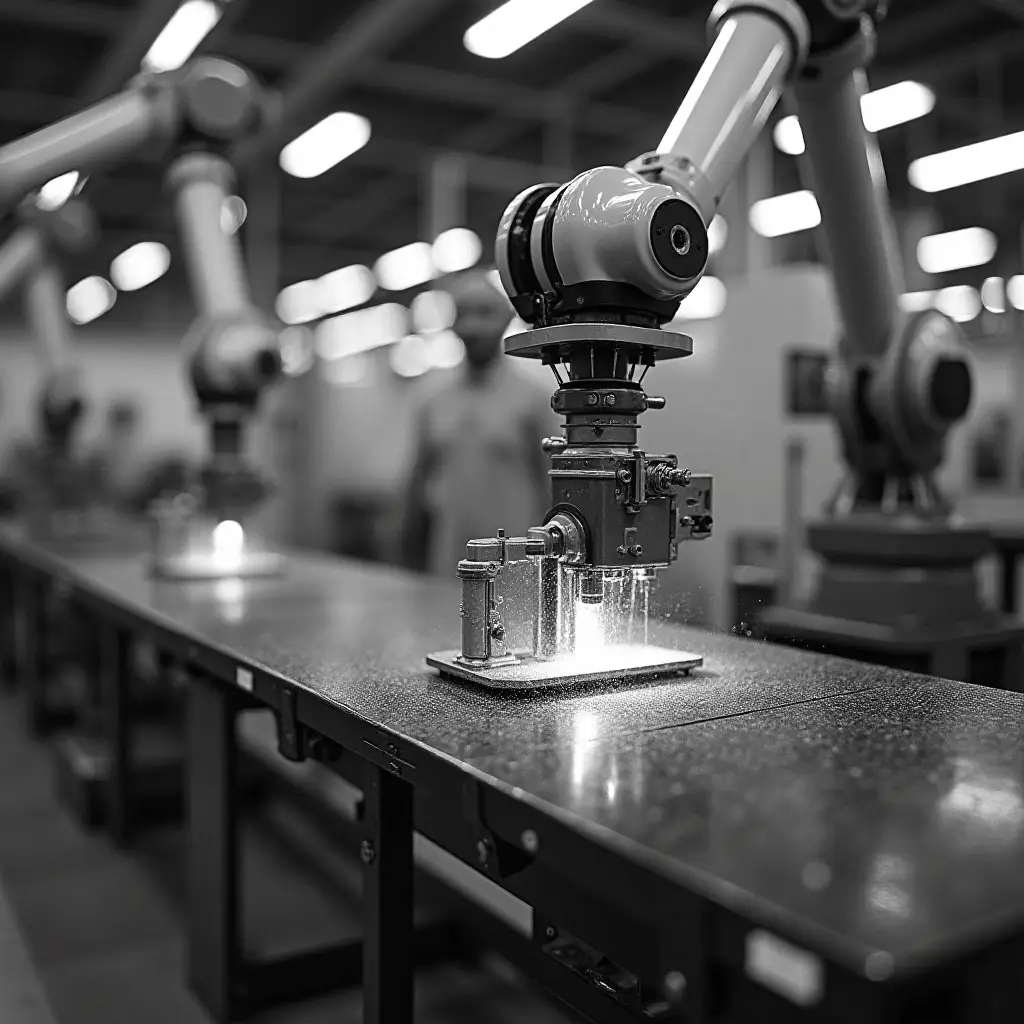
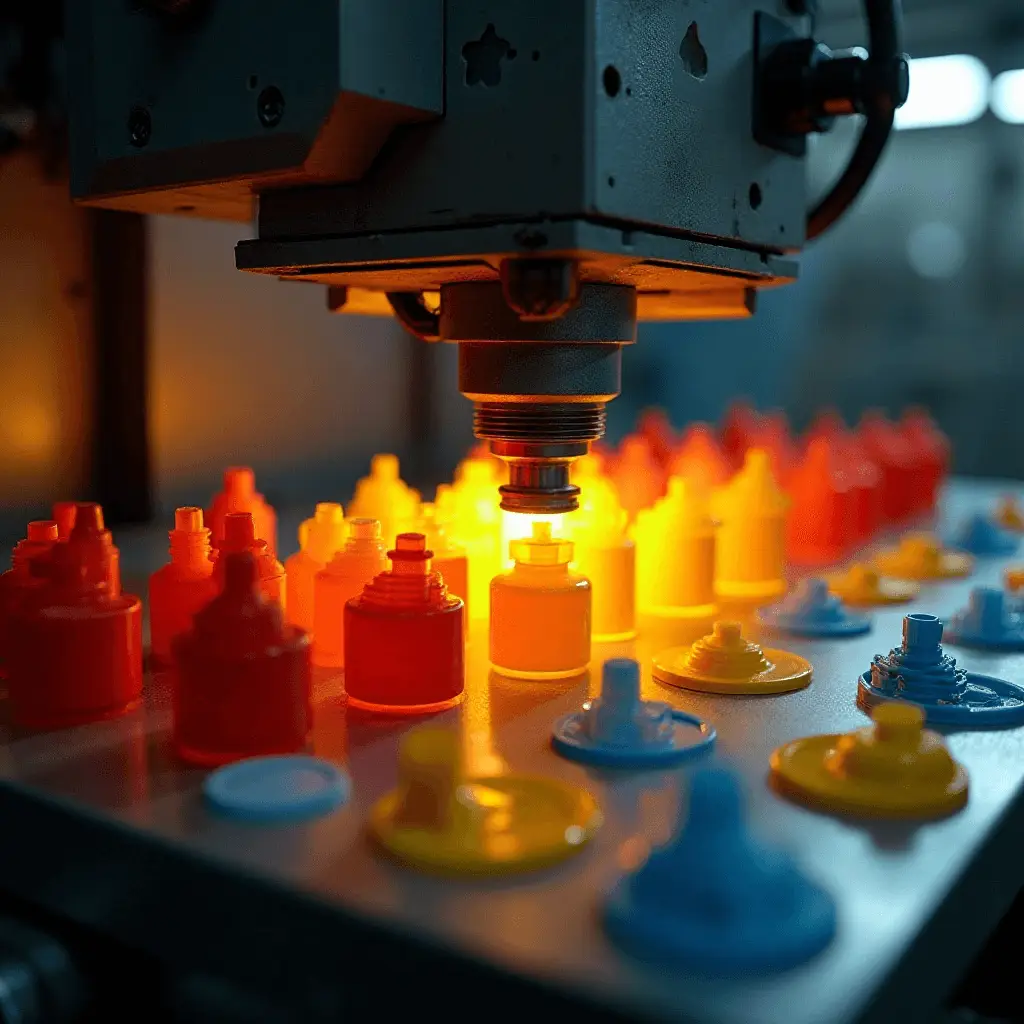
California is at the forefront of innovation, and plastic injection molding plays a pivotal role in various industries such as automotive, medical devices, and consumer electronics. Ronningen Research and Development provides cutting-edge plastic injection molding services across the state, offering injection molded parts that meet the highest standards of quality and precision. Our advanced injection molding machines ensure efficient production of both custom plastic parts and prototype injection molding solutions.
With decades of experience and state-of-the-art technology, Ronningen Research and Development has built a strong reputation for delivering high-quality plastic injection molded parts in California. Our team’s commitment to excellence means that we provide fast, reliable, and cost-effective solutions tailored to meet your needs, whether you are producing a few prototypes or scaling up to full production.
Why Choose Ronningen Research and Development in California?
Ronningen Research and Development is a trusted name in plastic injection molding services, offering innovative solutions for businesses across California. Our years of experience in plastic injection molding have enabled us to perfect the processes necessary for producing high-quality, durable, and cost-effective components. We work with industries including automotive, medical, and telecommunications, ensuring that our plastic injection molded parts meet the specific requirements of each client.
We specialize in both prototype plastic injection molding and large-scale manufacturing, ensuring that every part we produce is of the highest standard. With Ronningen Research and Development, you get a partner that prioritizes quality, speed, and customer satisfaction, delivering exceptional results every time.
Our Plastic Injection Molding Services in California
Ronningen Research and Development offers a comprehensive range of plastic injection molding services tailored to the needs of California industries. Whether you require injection molded parts for automotive, medical, or consumer electronics, our solutions ensure efficiency and precision in every project.
Custom Injection Molding
We specialize in delivering custom injection molded parts designed to meet your specific needs, ensuring high precision and performance.
Prototype Injection Molding
Our prototype plastic injection molding services allow you to quickly create and test prototypes before committing to large-scale production.
Plastic Parts Manufacturing
We manufacture durable and reliable plastic parts for a variety of industries, ensuring top-quality production at every step.
Over Molding
We offer over molding services, which combine two or more materials into a single part, enhancing product functionality and design flexibility.
Our Comprehensive Manufacturing Services: Plastic Injection Molding & More
Assembly & Sub-Assembly
At Ronningen Research and Development, we provide expert Assembly & Sub-Assembly services for seamless integration of components. Whether it's simple assemblies or complex multi-part solutions, we ensure precision and efficiency in every process.
Custom Coloration
Our Custom Coloration services offer tailored color options to meet your design and branding needs. We use advanced Plastic Injection Molding techniques to ensure long-lasting, consistent colors for your products.
Custom Cutting Parts
Ronningen Research and Development specializes in Custom Cutting Parts using state-of-the-art machinery. We provide accurate cuts for a variety of materials, meeting the specific needs of your project.
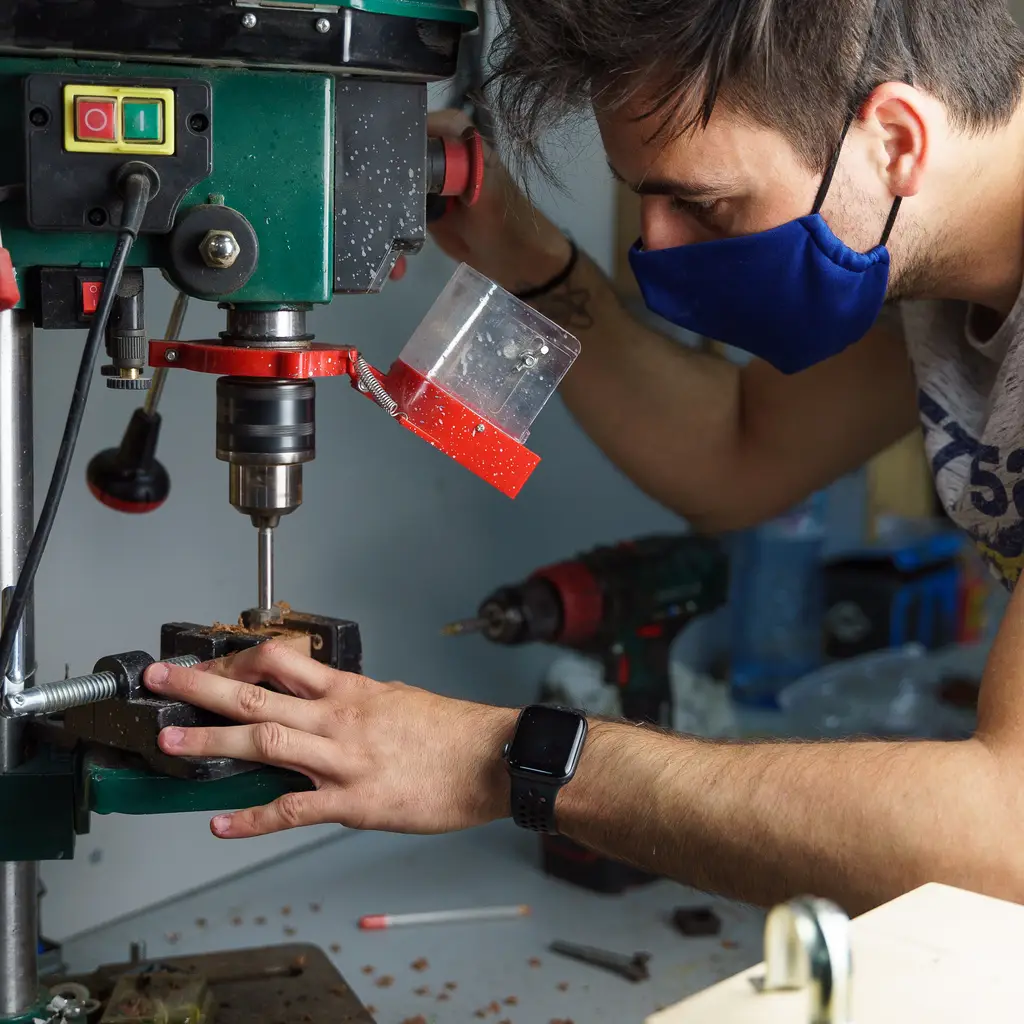
Drilling
We offer high-precision Drilling services to create exact holes in various materials. Our advanced equipment ensures accuracy and quality for projects requiring tight tolerances and consistent results.
Electroplating
Our Electroplating services enhance part durability and corrosion resistance with high-quality metallic coatings. We provide superior finishes for applications in automotive, electronics, and more.
Heat Staking
Heat Staking at Ronningen Research and Development creates strong, reliable bonds between plastic components without the need for additional materials. This process is ideal for parts requiring secure assembly and durability.
Hot Stamping
Hot Stamping services provide a high-quality finish with precision and efficiency. We use advanced techniques to apply logos, designs, and text to parts, ensuring a clean and lasting imprint.
Insert Molding
Insert Molding allows us to mold plastic around metal or other materials to create strong, integrated components. This service provides enhanced functionality and durability for complex applications.
Labeling
We provide precise Labeling services that ensure clear, durable markings for traceability, branding, and compliance. Our labeling process supports that your parts are correctly identified and meet industry standards.
Leak Testing
Our Leak Testing services verify the integrity of your products, ensuring they meet safety standards. We provide airtight and watertight testing to prevent failures and support agreed quality requirements.
Machining
We offer high-precision Machining services for custom parts. Using advanced CNC equipment, we deliver consistent, high-performance components for a variety of industries.
Milling
Our Milling services create intricate parts with high accuracy. We use advanced equipment to ensure precise cuts and finishes for your custom projects.
Over Molding
Over Molding at Ronningen Research and Development creates multi-material components for enhanced durability and functionality. We mold plastic over existing parts to meet complex design requirements.
Packaging, Custom
Our Custom Packaging services protect your products during transportation and storage. We offer tailored solutions to ensure your parts arrive safely and in excellent condition.
Pad Printing
We provide Pad Printing services for high-quality markings on various materials. Ideal for branding, labeling, and customization, our process ensures precise, durable prints.
Over Molding
Over Molding at Ronningen Research and Development creates multi-material components for enhanced durability and functionality. We mold plastic over existing parts to meet complex design requirements.
Packaging, Custom
Our Custom Packaging services protect your products during transportation and storage. We offer tailored solutions to ensure your parts arrive safely and in excellent condition.
Pad Printing
We provide Pad Printing services for high-quality markings on various materials. Ideal for branding, labeling, and customization, our process ensures precise, durable prints.
Part Marking
Our Part Marking services at Ronningen Research and Development ensure clear and accurate markings for identification and traceability. We use advanced techniques to apply markings that meet industry standards.
Painting
At Ronningen Research and Development, our Painting services enhance the aesthetic and protective qualities of your parts. We apply durable coatings for both functional and cosmetic purposes.
Silk-screening
We offer Silk-screening services at Ronningen Research and Development for durable, high-quality prints on parts. This process is ideal for logos, designs, and labels, providing precise results for a variety of materials.
Shielding
Our Shielding services at Ronningen Research and Development protect components from electromagnetic interference. We use advanced materials and techniques to ensure reliable performance and compliance with industry standards.
Shipping
At Ronningen Research and Development, we handle Shipping with care, ensuring that your products are securely packaged and delivered on time. Our reliable shipping services help you get your products to the market quickly and safely.
Spin Welding
Spin Welding services at Ronningen Research and Development provide strong, durable bonds for plastic parts. This technique is ideal for creating seamless joints without the need for additional materials.
Structural Foam Molding
We offer Structural Foam Molding at Ronningen Research and Development for lightweight, durable plastic parts. This service provides strong components with a reduced weight, ideal for applications that require high strength without the added bulk.
Taping
Our Taping services at Ronningen Research and Development are designed to provide secure adhesion and protection for your products. We offer custom taping solutions to meet the needs of various industries.
Trimming
At Ronningen Research and Development, we provide Trimming services to finish and refine your parts. Our precise trimming process ensures clean edges and perfect finishes for your molded components.
Ultrasonic Welding
Ultrasonic Welding at Ronningen Research and Development uses high-frequency sound waves to create strong, precise bonds between plastic parts. Ideal for delicate applications, this process ensures high-quality, durable results without the need for adhesives.
Explore Ronningen Research Application Guides
Leading Plastic Injection Molding Services in California
California’s manufacturing industry is rapidly evolving, and at Ronningen Research & Development, we lead the way with innovative plastic injection molding solutions. Our expert team provides services in major cities like Los Angeles, San Francisco, San Diego, and Sacramento, offering high-quality molded parts for various industries such as automotive, medical, and electronics. With cutting-edge technology and state-of-the-art equipment, we ensure precision and efficiency in every project. Whether you need prototypes or large-scale production, we are equipped to meet your specific requirements with fast turnaround times and cost-effective solutions. Let Ronningen be your trusted partner for plastic injection molding services in California, ensuring top-notch products and unmatched customer satisfaction.
Los Angeles
Get premium plastic injection molding services in Los Angeles, CA, for all your manufacturing needs.
San Francisco
High-quality molding solutions offered in San Francisco, CA, for precise, durable parts.