Understanding Injection Molding Defects
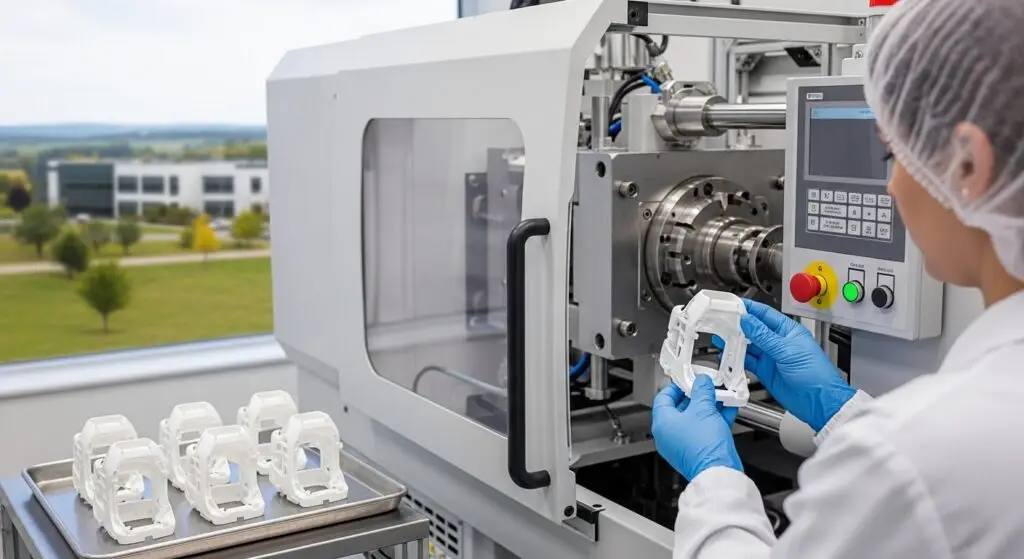
Injection molding defects can significantly impact production quality and efficiency. Common issues include warping, short shots, and sink marks, which can arise from various factors such as improper temperature settings, inadequate mold design, or material inconsistencies.
To mitigate these defects, it's essential to conduct thorough process evaluations and implement quality control measures. For instance, using advanced simulation software can help predict potential defects before production begins, ensuring that the final products meet the stringent standards required for applications in industries like aerospace and medical.
Sustainable Practices in Plastic Manufacturing
Sustainability is becoming increasingly vital in the plastic manufacturing sector, especially for industries such as medical and consumer electronics. Companies are now focusing on reducing their environmental footprint by adopting eco-friendly materials and waste reduction strategies.
For example, Ronningen Research & Development has implemented recycling programs and utilizes biodegradable materials where possible, contributing to a circular economy. These practices not only help in meeting regulatory requirements but also appeal to environmentally-conscious consumers and clients.
Advanced Technologies in Plastic Fabrication
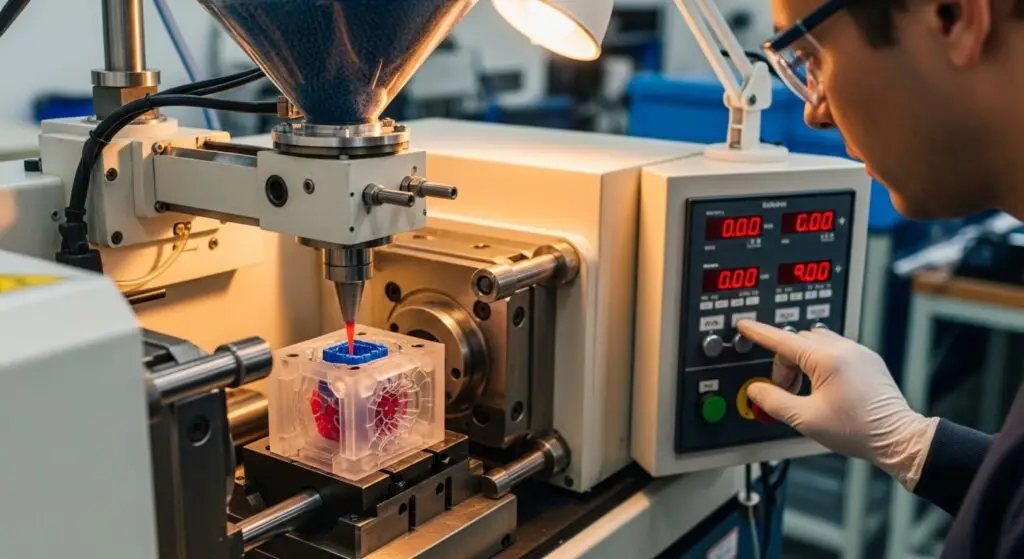
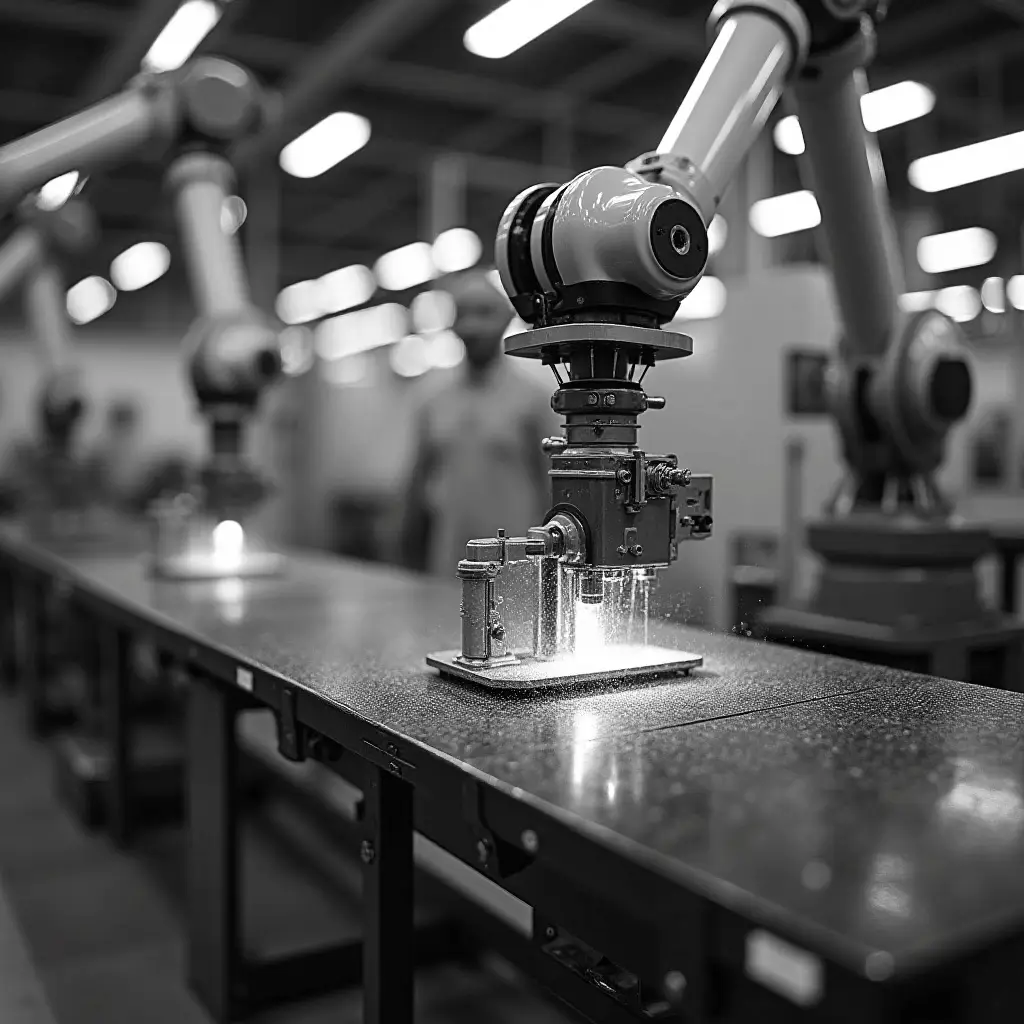
Innovative technologies are transforming the landscape of plastic fabrication, enabling manufacturers to produce complex and high-precision components. Techniques such as 3D printing, CNC machining, and advanced molding technologies are at the forefront of this evolution.
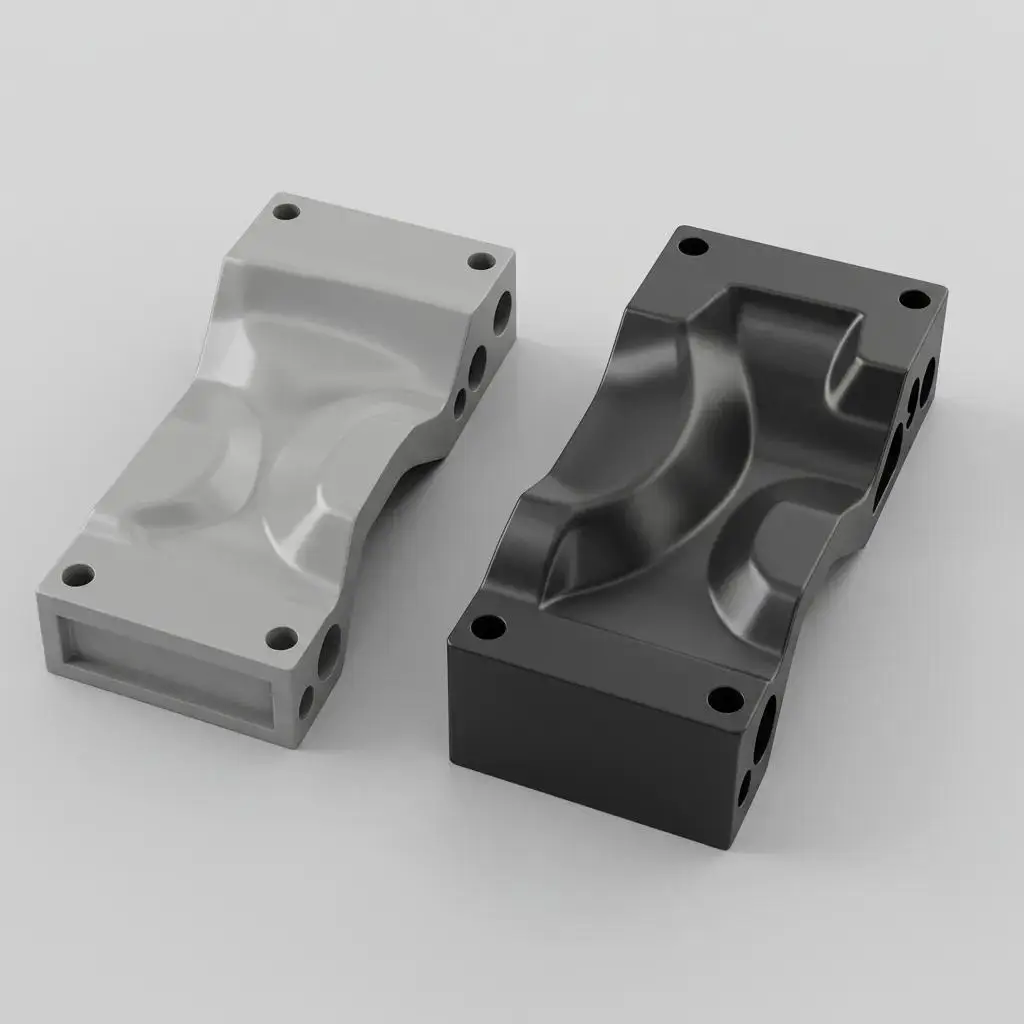
These technologies allow for rapid prototyping and customization, which are crucial for industries that demand quick turnaround times and tailored solutions. For instance, Ronningen's use of advanced molding technologies has led to significant improvements in production efficiency and product quality, particularly in the electronics sector.
Key Considerations for Choosing a Plastic Manufacturer
Selecting the right plastic manufacturer is critical for ensuring product quality and meeting project timelines. Key factors to consider include the manufacturer's expertise in specific processes, their ability to handle custom designs, and their commitment to quality assurance.
Additionally, evaluating their technological capabilities and previous case studies can provide insights into their reliability. Companies like Ronningen Research & Development offer comprehensive services that include consultation on material selection and production techniques, ensuring clients receive the best possible solutions for their needs.