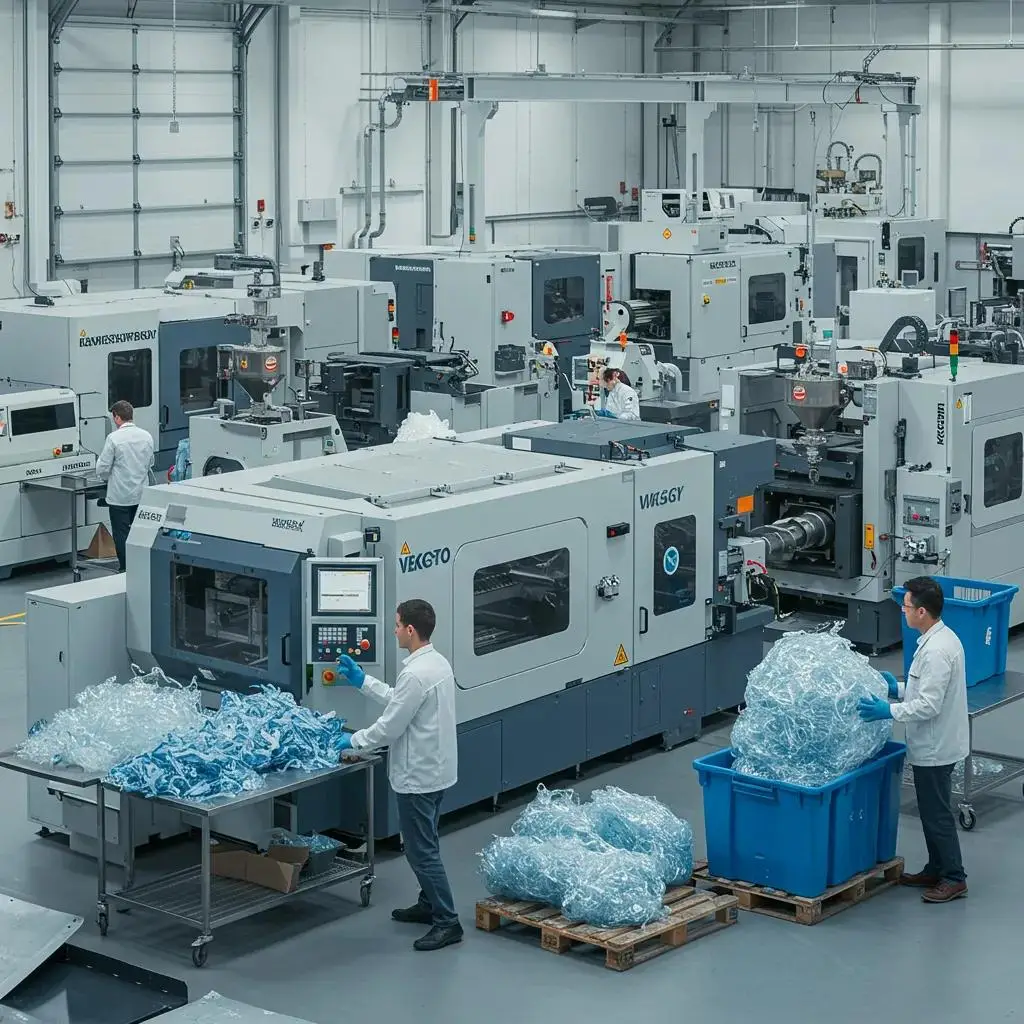
Best Practices for Reducing Cycle Time in Plastic Manufacturing
Reducing cycle time is crucial for enhancing productivity in plastic manufacturing. By implementing best practices, manufacturers can significantly increase their output while maintaining quality. Techniques such as optimizing machine settings, using high-quality molds, and investing in advanced technologies can lead to substantial improvements.
For instance, utilizing real-time monitoring systems can help identify bottlenecks in the production process, allowing for immediate adjustments. Additionally, training staff on efficient operational techniques can further streamline processes, resulting in a more effective manufacturing environment.
Innovative Techniques in Injection Molding
Injection molding has evolved with the introduction of innovative techniques that enhance product quality and reduce costs. Techniques such as multi-material injection molding and co-injection molding allow for the creation of complex parts with improved functionality and aesthetics.
Moreover, advancements in thermoplastic elastomers (TPE) have enabled manufacturers to produce flexible and durable components suitable for various applications. Companies leveraging these innovations can gain a competitive edge in the market by offering superior products.
Environmental Considerations in Plastic Manufacturing
As sustainability becomes increasingly important, plastic manufacturers are exploring eco-friendly practices. Implementing recycling programs and using biodegradable materials can significantly reduce the environmental impact of plastic production.
For example, companies can invest in closed-loop systems that recycle waste materials back into the production process, minimizing waste. Additionally, adopting energy-efficient machinery can lower carbon footprints, aligning manufacturing practices with global sustainability goals.
Future Trends in Plastic Manufacturing
The plastic manufacturing industry is poised for significant changes driven by technological advancements and shifting consumer demands. Trends such as automation, the Internet of Things (IoT), and artificial intelligence are revolutionizing production processes and enhancing efficiency.
For instance, smart factories equipped with IoT devices can monitor equipment performance in real-time, enabling predictive maintenance and reducing downtime. Keeping abreast of these trends is essential for manufacturers looking to stay competitive and meet the evolving needs of the market.