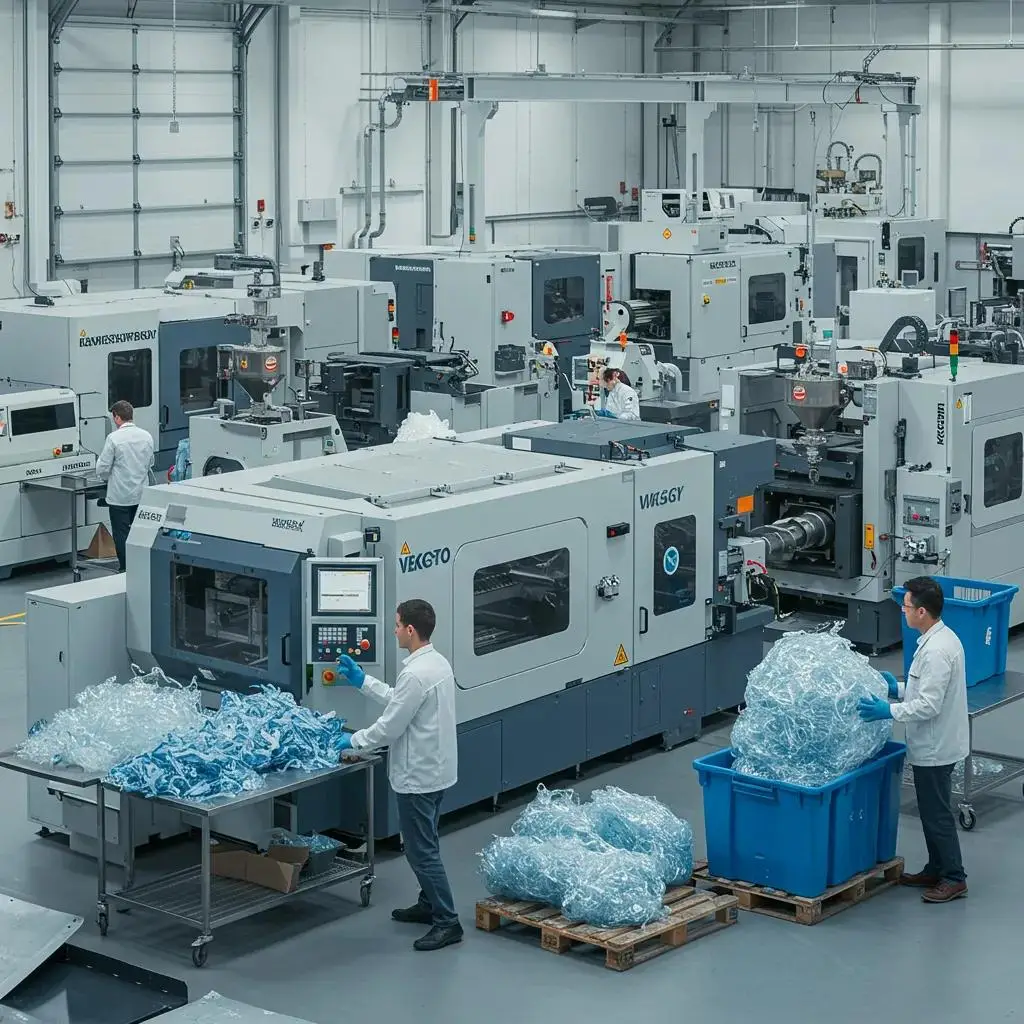
Understanding Injection Molding Optimization
Injection molding optimization is crucial for enhancing production efficiency and reducing costs in plastic manufacturing. This process involves fine-tuning various parameters such as temperature, pressure, and cycle time to achieve the best possible outcomes.
For instance, optimizing the cooling phase can significantly decrease cycle times, leading to higher throughput. Manufacturers often employ simulations and real-time monitoring to identify bottlenecks and implement improvements, ensuring a more streamlined operation.
Best Practices for Injection Molding Processes
Implementing best practices in injection molding can dramatically improve product quality and operational efficiency. These practices include regular maintenance of machinery, proper material selection, and thorough training for operators.
For example, using high-quality resins and maintaining optimal machine settings can prevent defects and reduce waste. Additionally, investing in staff training ensures that operators are skilled in troubleshooting and can make adjustments on the fly, further enhancing production reliability.
Common Challenges in Injection Molding and Solutions
Injection molding processes can face various challenges, including inconsistent part quality, machine downtime, and material waste. Identifying these issues early is vital for maintaining production efficiency.
Solutions may involve implementing Six Sigma methodologies to reduce variability in the production process or utilizing advanced monitoring systems to detect abnormalities in real-time. By addressing these challenges proactively, manufacturers can maintain high standards and reduce costs.
Future Trends in Injection Molding Technology
The injection molding industry is evolving with advancements in technology, including the integration of automation and artificial intelligence. These innovations are set to revolutionize production capabilities and efficiency.
For instance, the use of AI can optimize machine settings automatically based on real-time data, leading to reduced cycle times and improved product quality. Additionally, the rise of sustainable materials and practices is driving manufacturers to adopt greener technologies in their processes, aligning with global sustainability goals.