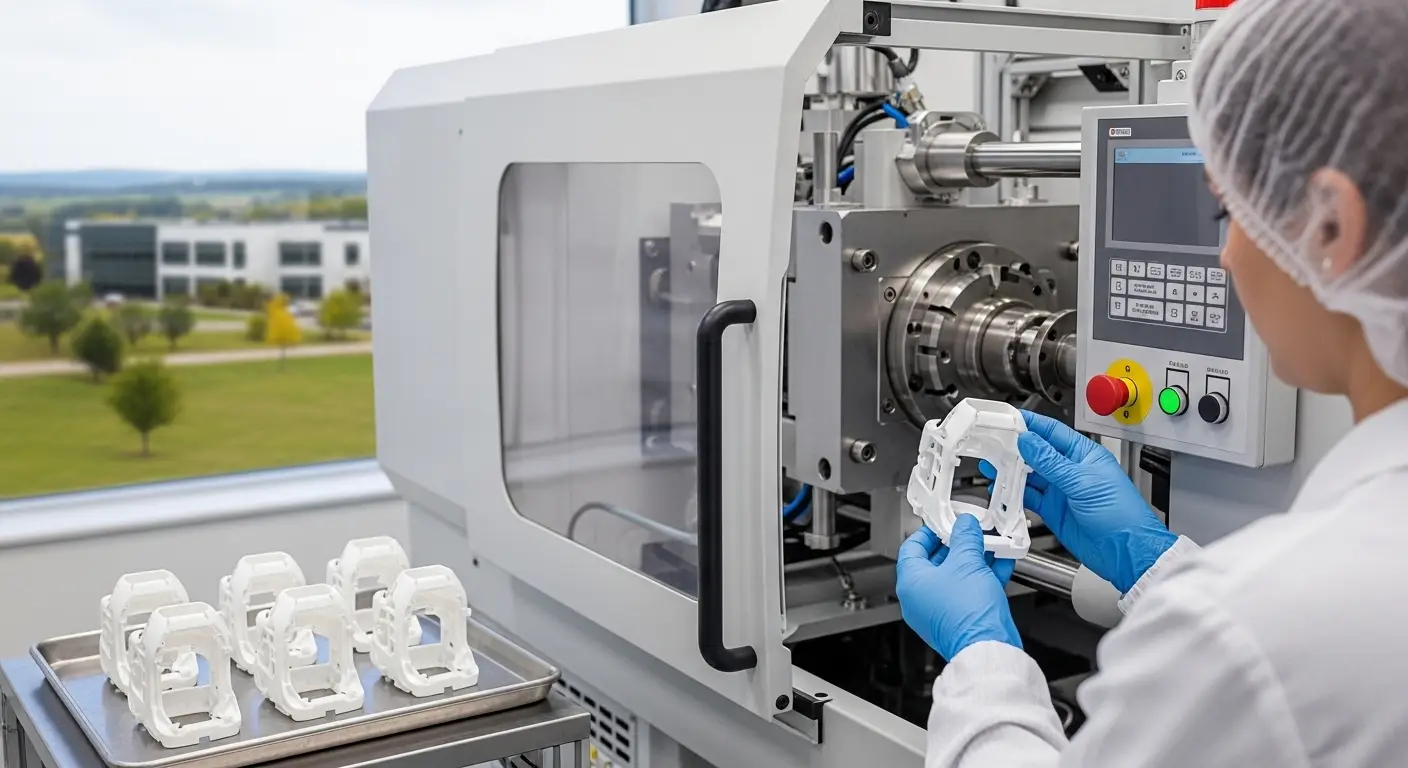
Understanding Injection Molding Defects
Injection molding defects can significantly impact the quality of manufactured parts. Common issues include warping, short shots, and sink marks, which can arise from various factors such as material selection, mold design, and processing conditions.
Identifying the root cause of these defects is crucial for manufacturers. For instance, warping may occur due to uneven cooling, while short shots often result from insufficient material flow. Understanding these defects helps in implementing effective solutions to enhance product quality.
Common Causes of Injection Molding Defects
Several factors contribute to the occurrence of injection molding defects, including improper temperature settings, inadequate injection speed, and poor mold design. Each of these elements plays a vital role in ensuring a successful molding process.
For example, if the melt temperature is too low, it can lead to incomplete filling of the mold, causing short shots. Similarly, a poorly designed mold may not allow for proper venting, which can trap air and lead to defects like bubbles or voids in the final product.
Solutions for Troubleshooting Injection Molding Defects
Addressing injection molding defects involves a systematic approach to troubleshooting. Manufacturers can utilize techniques such as process optimization, material adjustments, and mold redesign to mitigate these issues effectively.
For instance, increasing injection speed can help ensure that the material fills the mold completely, while adjusting the cooling time can minimize warping. Additionally, regular maintenance of molds can prevent defects caused by wear and tear, ensuring consistent production quality.
Best Practices for Preventing Injection Molding Defects
Implementing best practices in the injection molding process is essential for minimizing defects. This includes thorough training for operators, regular equipment maintenance, and utilizing high-quality materials.
Moreover, conducting root cause analysis after identifying defects can provide insights into potential improvements. By fostering a culture of continuous improvement and quality control, manufacturers can significantly reduce the occurrence of injection molding defects and enhance overall production efficiency.