
Plastic injection molding quality is crucial for ensuring that manufactured parts meet industry standards and customer expectations. This process involves the precise melting and injection of plastic into molds, where quality control measures are implemented to prevent defects and ensure consistency in production.
Factors influencing plastic part quality include material selection, mold design, and process parameters. For instance, using high-quality raw materials can significantly reduce the likelihood of defects, while optimizing injection speed and temperature can enhance the final product's integrity and performance.
Injection molding defects can lead to significant production losses and affect the overall quality of plastic parts. Common issues include warping, sink marks, and short shots, which can arise from various factors such as improper cooling or inadequate material flow.
Solutions to these defects often involve adjusting the molding process, such as modifying cooling times or enhancing mold design. Implementing thorough testing and quality assurance protocols can also help identify potential issues early in the production cycle, ensuring higher quality outputs.
Quality control is a fundamental aspect of plastic manufacturing that ensures products meet specified standards and customer requirements. It encompasses various processes, from the selection of raw materials to the final inspection of finished parts.
Effective quality control measures include regular audits, testing of materials, and monitoring production processes. By investing in robust quality control systems, manufacturers can significantly reduce defects and enhance customer satisfaction, ultimately leading to a stronger market reputation.
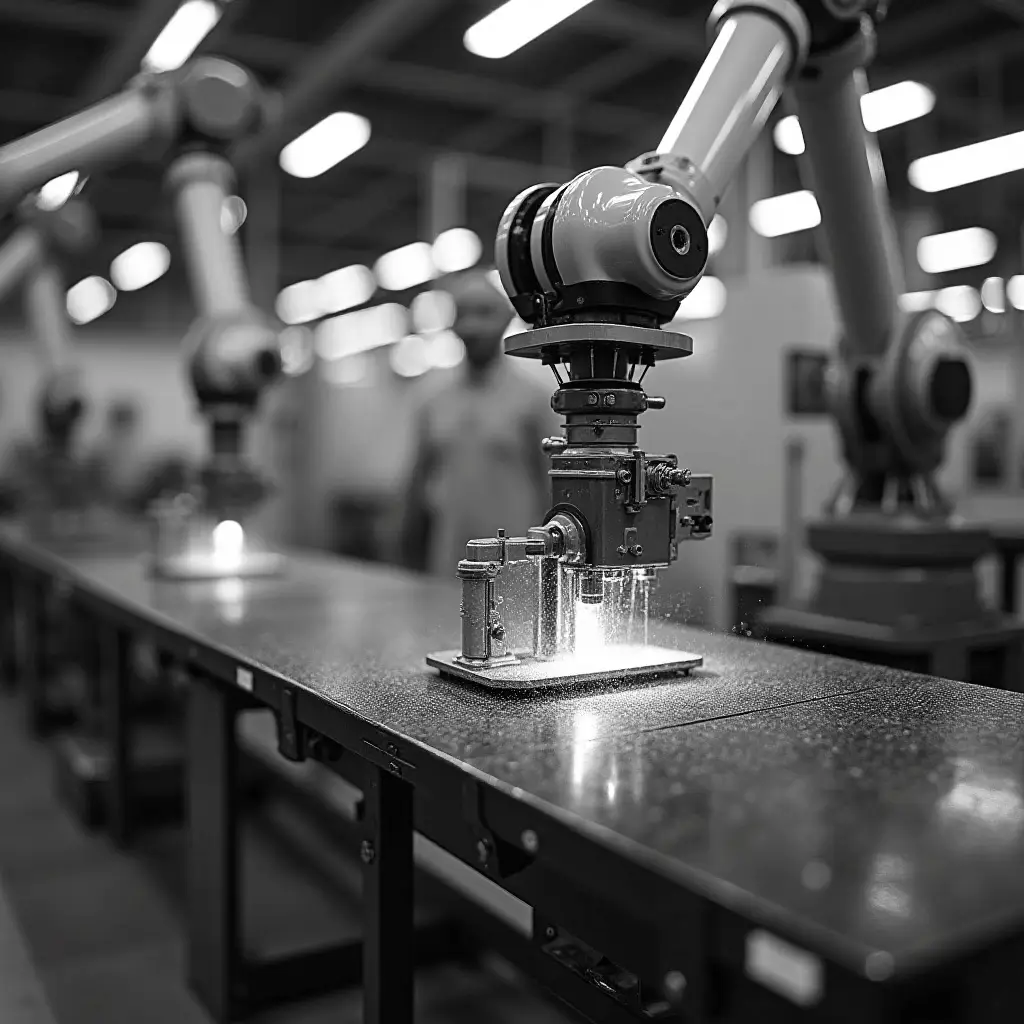
Innovative solutions in plastic part manufacturing are transforming how companies approach production and quality assurance. Technologies such as automation, advanced robotics, and real-time data analytics are being integrated into manufacturing processes to improve efficiency and product quality.
For example, implementing automated quality inspection systems can detect defects in real-time, allowing for immediate corrective actions. Furthermore, leveraging data analytics can provide insights into production trends, helping manufacturers optimize their processes and reduce waste.