
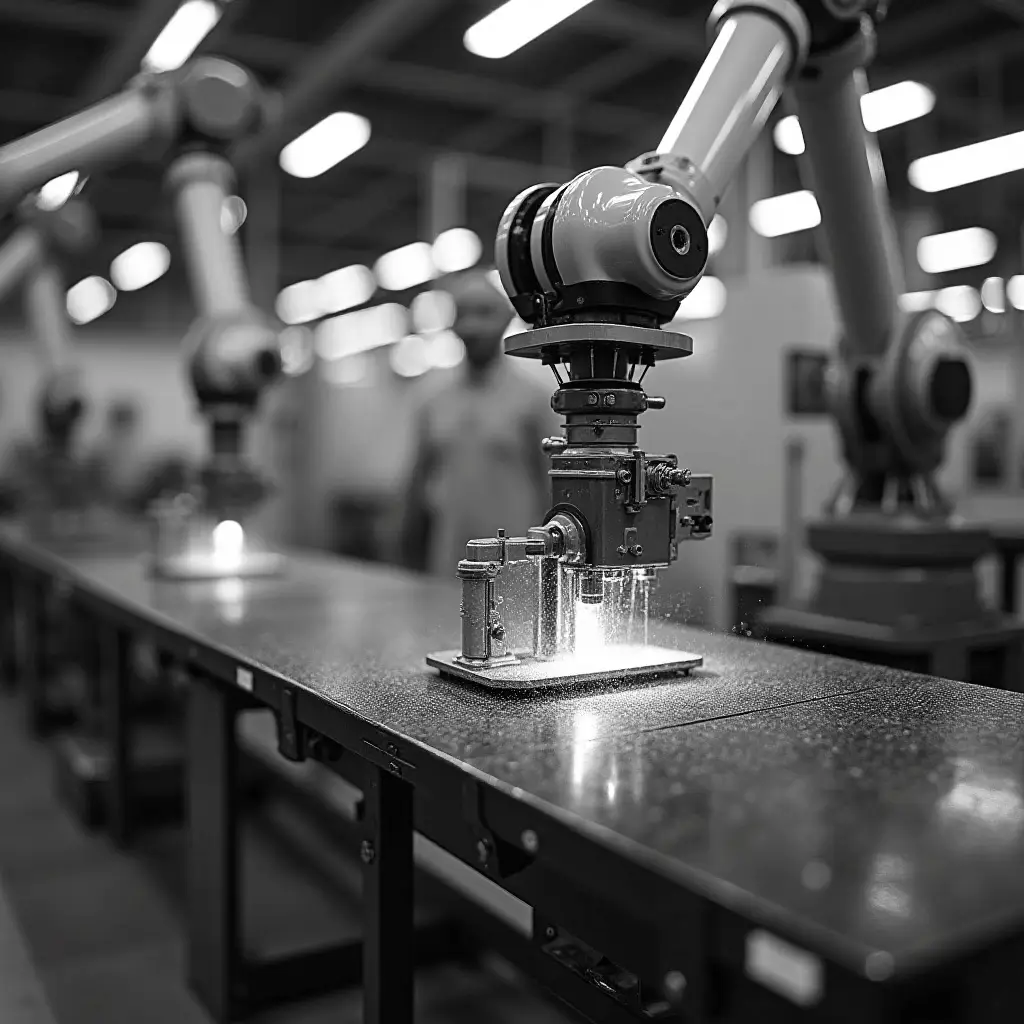
Plastic injection molding is a manufacturing process used to produce parts by injecting molten material into a mold. This method is highly efficient for creating complex shapes and high-volume production runs, making it a popular choice across various industries.
For instance, in the automotive sector, injection molding is used to create intricate components like dashboards and panels. The versatility of this process allows manufacturers to work with a wide range of materials, including thermoplastics and thermosetting polymers, ensuring durability and performance in the final products.
Custom manufacturing solutions provide tailored approaches to meet specific client needs, enhancing product quality and efficiency. By collaborating closely with clients, manufacturers can develop unique designs and specifications that align with market demands.
For example, Ronningen Research & Development utilizes advanced technologies to create bespoke solutions for sectors such as medical devices and aerospace. This not only results in improved functionality but also reduces waste and optimizes production timelines, ultimately benefiting the client’s bottom line.
Injection molding, while efficient, can present several challenges that manufacturers must navigate to ensure quality output. Common issues include defects such as warping, short shots, and surface imperfections, which can arise from various factors, including mold design and material selection.
Understanding these challenges is crucial for manufacturers. For instance, implementing rigorous quality control measures and utilizing simulation software can help identify potential problems early in the production process, thereby minimizing waste and ensuring consistency in product quality.
Injection molding is utilized across numerous industries due to its adaptability and efficiency. Key applications include the production of consumer goods, automotive parts, and medical devices, showcasing the process's versatility in meeting diverse manufacturing needs.
In the medical industry, for example, injection molding is used to create precision components like syringes and surgical instruments. The ability to produce complex geometries with high accuracy makes injection molding essential for industries where reliability and safety are paramount.