
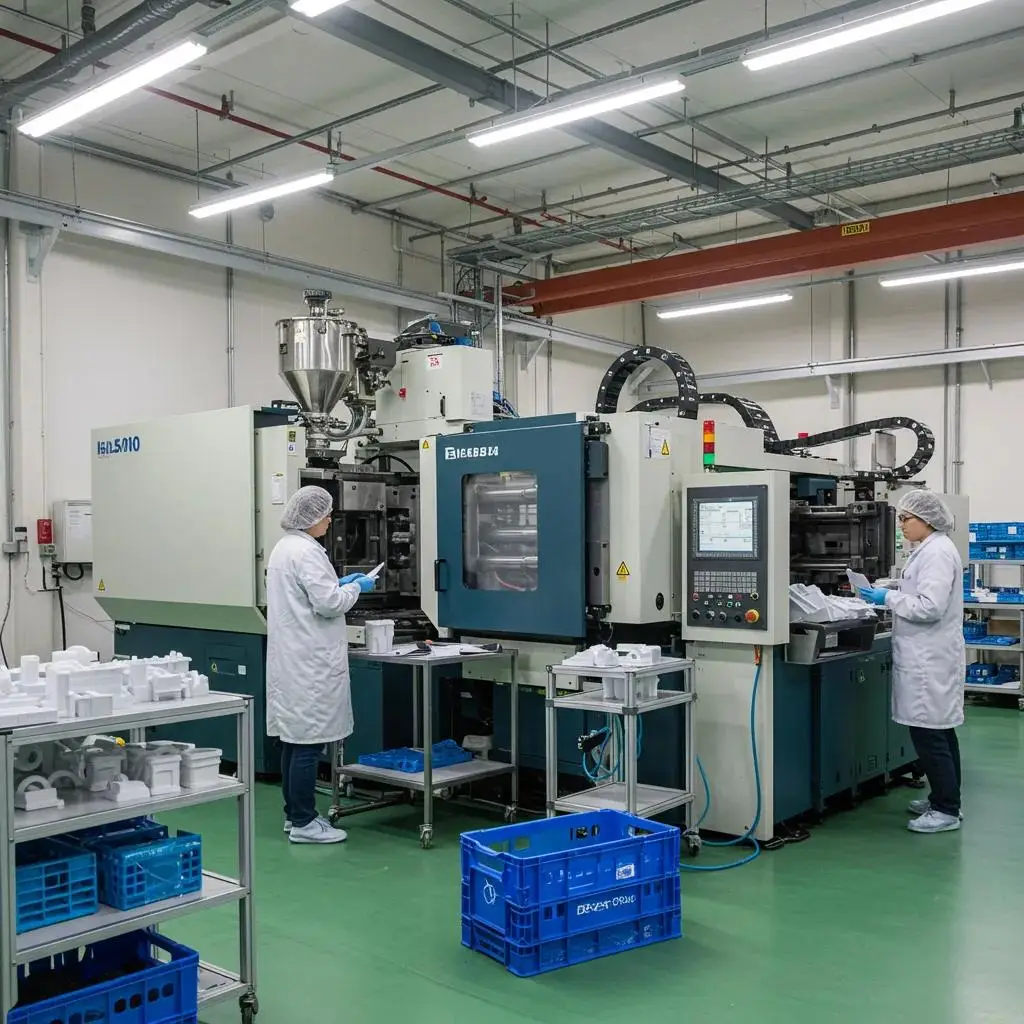
Precision in Every Part: Quality Assurance in Chicago Injection Molding
With product recalls surging by 115 percent since 2018, unwavering quality assurance in injection molding is no longer optional—it’s essential for high-performance plastic parts. In Chicago’s dynamic manufacturing landscape, ensuring every molded component meets exacting standards requires meticulous controls, cutting-edge metrology, and certified quality management systems. This guide demystifies quality assurance in plastic injection molding, distinguishing it from quality control and highlighting the profound benefits of robust QA protocols. We’ll then explore Ronningen Research & Development’s tailored QA approach, delve into statistical process control, examine ISO 9001 and ISO 13485 certifications, review defect prevention strategies, inspect advanced measurement techniques, assess industry-specific standards, and showcase pioneering AI and IoT innovations. Finally, discover why Chicago manufacturers consistently choose Ronningen for unparalleled precision, unwavering compliance, and lead-generation success in their custom molding endeavors.
What Exactly Is Quality Assurance in Plastic Injection Molding?
Quality assurance in plastic injection molding is a comprehensive system of processes and procedures meticulously designed to guarantee that molded parts consistently achieve predefined specifications and performance benchmarks. By embedding preventive methodologies—such as rigorous incoming material validation, thorough mold qualification, diligent process parameter audits, and vigilant in-line inspection—QA ensures that every production cycle adheres strictly to tolerances, minimizes variation, and drastically reduces the likelihood of defects. For Chicago manufacturers, quality assurance translates directly into enhanced reliability, seamless regulatory compliance, and unwavering supply-chain confidence, particularly vital in demanding sectors like medical devices and aerospace where traceability and biocompatibility are paramount. Integrating QA from the initial design phase through post-production empowers proactive defect prevention and fosters a culture of continuous improvement, ultimately accelerating time to market and delivering superior part performance.
How Does Quality Assurance Differ from Quality Control in Injection Molding?
Quality assurance is fundamentally about designing processes and implementing preventive measures to maintain consistency, while quality control focuses on the reactive inspection and testing of finished parts. QA establishes standardized work instructions, sophisticated statistical monitoring plans, and precise material handling protocols to preempt deviations before they can occur. QC, conversely, utilizes dimensional checks, visual inspections, and sampling plans to identify defects after the molding process is complete. While QA influences the entire manufacturing lifecycle—from mold qualification and process validation to meticulous documentation—QC validates the output against established acceptance criteria. Together, these functions forge a closed-loop system that excels at both preventing defects and verifying compliance with all customer requirements.
Review of Injection Molding Process and Quality Control Developments
This paper reviews the recent developments in injection molding process and quality control so that the quality of the molded parts can be improved and the production efficiency can be increased. The developments include machine setup methods, process control, quality control, and realize the dream of “lights-out” production.
A review of current developments in process and quality control for injection molding, LS Turng, 2005
Why Is Quality Assurance Absolutely Critical for Chicago Injection Molding Manufacturers?
Chicago’s competitive manufacturing environment necessitates unwavering adherence to regional codes, stringent industry regulations, and exacting OEM quality expectations. Local aerospace and automotive tier suppliers must meticulously comply with ASTM and SAE guidelines, while producers of medical components require FDA-aligned documentation and ISO 13485 traceability. Quality assurance seamlessly integrates these compliance standards into every mold changeover, material batch, and process validation, ensuring that Chicago companies effectively avoid costly rework, debilitating regulatory fines, and disruptive shipment delays. Embedding QA locally also significantly shortens lead times, optimizes logistics, and enables swift corrective actions in response to critical field feedback.
What Are the Tangible Benefits of Implementing Robust QA Processes in Injection Molding?
- Enhanced consistency – experience reduced part-to-part variation through real-time process monitoring.
- Lower defect rates – proactively identify root causes to prevent costly recalls and rejections.
- Regulatory confidence – gain documented evidence of unwavering compliance with ISO and industry standards.
- Cost control – minimize scrap parts and expedite corrective actions to reduce overall production expenses.
- Customer satisfaction – ensure reliable deliveries and precise tolerances to foster enduring partnerships.
These collective benefits significantly improve yield, accelerate time-to-market, and solidify competitive positioning in high-precision sectors.
How Does Ronningen Research & Development Masterfully Implement Quality Assurance in Chicago Injection Molding?
Ronningen Research & Development leverages over fifty years of specialized industry expertise to elevate its Chicago injection molding services, embedding QA as a foundational pillar of its custom plastic injection molding operations. Every project commences with meticulous design-for-manufacturability reviews and advanced mold flow analysis to proactively anticipate and mitigate potential defects. Incoming polymer resins undergo rigorous spectroscopic and rheological testing to meticulously confirm material properties before production even begins. Process validation protocols encompass comprehensive trial runs, precise control chart establishment, and thoroughly documented corrective action plans. This meticulously structured QA framework guarantees that high-performance parts destined for medical, aerospace, electronics, telecom, and automotive applications consistently meet the most stringent requirements.
What Are the Cornerstones of Ronningen’s Superior Quality Management System?
- Statistical Process Control (SPC) for continuous, real-time monitoring of critical parameters like temperature, pressure, and cycle time.
- Certified Quality Management adhering to the rigorous standards of ISO 9001 and ISO 13485.
- Proactive Defect Prevention through systematic root cause analysis and robust corrective action systems.
- Advanced Metrology employing state-of-the-art Coordinate Measuring Machines (CMMs), optical comparators, and 3D scanning technologies.
Together, these cornerstones cultivate a robust quality culture that drives unparalleled process stability, complete traceability, and relentless continuous improvement.
How Does Ronningen Achieve Uncompromising Precision for Complex and High-Performance Plastic Parts?
Uncompromising precision is achieved by harmonizing exceptional in-house tooling expertise with advanced injection presses specifically equipped for micro-molding and multi-cavity operations. Automated process feedback loops dynamically adjust injection speed and packing profiles in real time, while integrated inline sensors meticulously capture critical parameters. Proprietary mold maintenance schedules and stringent temperature control protocols guarantee dimensional accuracy down to the micron level. This deeply integrated approach masterfully supports parts with intricate thin wall sections, delicate ribs, and specialized materials—consistently delivering superior performance in the most demanding end-use environments.
How Does Local Chicago Expertise Shape and Enhance Ronningen’s QA Processes?
Chicago’s distinctive regulatory landscape and demanding industrial requirements profoundly shape Ronningen’s QA protocols. Our close proximity to regional aerospace and medical OEMs facilitates rapid, collaborative engagement on validation testing and design modifications. Local supply-chain networks enable efficient just-in-time resin deliveries and expedited mold repairs. We actively leverage Chicago-area quality auditors and inspection labs for impartial third-party verifications, ensuring transparent and unimpeachable compliance. This deep regional expertise fuels exceptional responsiveness and agility across all QA activities.
What Is Statistical Process Control (SPC) and How Is It Masterfully Used in Injection Molding Quality Assurance?
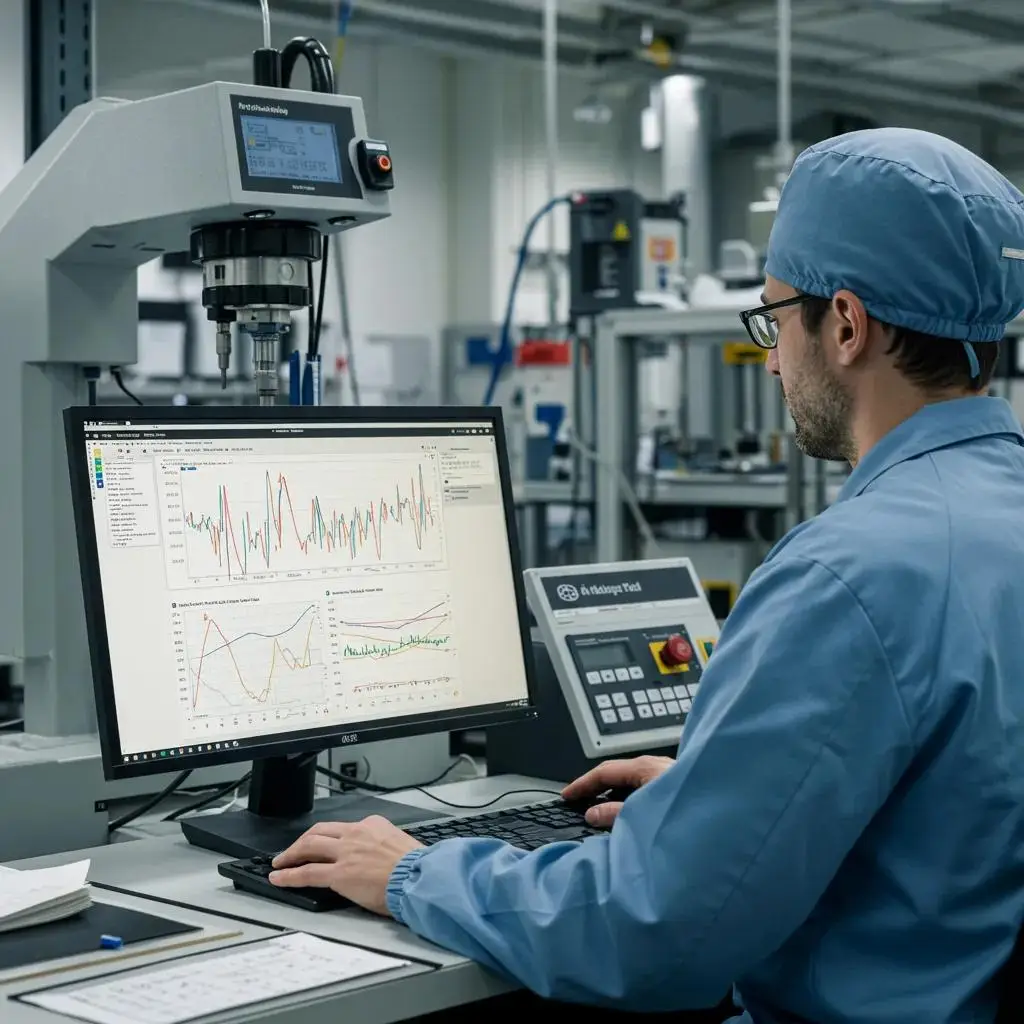
Statistical process control is a sophisticated, data-driven methodology that employs precise statistical tools to meticulously monitor and control manufacturing processes, enabling the identification of variations *before* defects can manifest. In the realm of injection molding, SPC diligently tracks critical process parameters such as melt temperature, injection pressure, and cycle time to establish robust control limits and detect subtle trends. By analyzing real-time data and plotting it on dynamic control charts, engineers can proactively intervene the moment processes begin to drift toward out-of-tolerance conditions. SPC thus serves as a powerful mechanism to prevent nonconforming parts, significantly reduce waste, and foster continuous process optimization for consistently high-quality plastic parts.
Total Quality Process Control for Injection Molding Excellence
Total quality process control (TQPC) for injection molding is an operation and quality analysis of the entire injection molding process. It is a systematic approach to ensure the quality of the final product by controlling all aspects of the manufacturing process, from raw material selection to final inspection. TQPC involves the implementation of various quality management tools and techniques, such as statistical process control (SPC), failure mode and effects analysis (FMEA), and design of experiments (DOE).
Total quality process control for injection molding, 2010
How Does SPC Precisely Monitor Injection Molding Process Parameters Like Temperature and Pressure?
SPC systems meticulously capture sensor data at crucial process stages—monitoring melt temperature during injection, holding pressure during the pack phase, and mold temperature at each cavity cycle. Data points are collected over consecutive cycles and seamlessly fed into sophisticated control software that calculates moving averages and standard deviations. Engineers meticulously review control charts daily to pinpoint special-cause variations, such as heater failures or hydraulic leaks, that could potentially compromise part integrity. Corrective actions are rigorously documented and promptly implemented, reinforcing essential process discipline.
What Are Control Charts and How Do They Guarantee Process Stability?
Control charts are indispensable graphical tools that meticulously plot process data against statistically derived upper and lower control limits. When data consistently remains within these defined limits, the process is deemed stable and predictable. Any points falling outside these limits or exhibiting nonrandom patterns trigger immediate alerts for thorough investigation. By diligently maintaining processes within predetermined boundaries, control charts effectively prevent excursions that could lead to undesirable outcomes like warping, sink marks, or flash. Regular review of chart trends actively supports preemptive maintenance and ongoing process refinement.
How Does Comprehensive Data Collection and Analysis Elevate Injection Molding Consistency?
Continuous data collection feeds advanced analysis algorithms that adeptly detect even minute shifts in process behavior. Multivariate analysis expertly correlates critical process parameters with precise part dimensions and essential mechanical properties, revealing hidden interactions that might otherwise go unnoticed. This profound insight empowers engineers to meticulously fine-tune machine settings, optimize screw and barrel configurations, and standardize mold cooling circuits. Over time, accumulated data drives the development of predictive models that forecast potential deviations, further enhancing part consistency and significantly reducing unplanned downtime.
What Are the Essential ISO Certifications Relevant to Injection Molding Quality Assurance?
ISO certifications represent globally recognized standards that formally validate a company’s unwavering commitment to quality management and regulatory compliance. For the intricate field of injection molding, ISO 9001 establishes a comprehensive Quality Management System (QMS) that governs critical areas such as design controls, supplier management, and the pursuit of continual improvement. ISO 13485 specifically applies to medical device manufacturing, enforcing even more stringent requirements for traceability, risk management, and process validation. Collectively, these certifications provide OEMs and regulatory bodies with the utmost assurance that plastic parts consistently meet the most rigorous safety and performance criteria.
What Is ISO 9001 and Why Is It So Important for Plastic Injection Molding?
ISO 9001 precisely specifies QMS requirements, including the need for documented procedures, rigorous management reviews, thorough internal audits, and effective corrective action processes. For plastic injection molding operations, strict adherence to ISO 9001 ensures that customer specifications meticulously guide material selection, mold maintenance practices, and process controls. This foundational standard places a strong emphasis on continual improvement, directly leading to demonstrably lower defect rates, enhanced supplier performance, and elevated customer satisfaction.
How Does ISO 13485 Specifically Apply to Medical Device Injection Molding Quality?
ISO 13485 builds upon QMS requirements by incorporating medical industry-specific clauses crucial for sterility assurance, biocompatibility testing, and meticulous device labeling controls. Injection molding operations certified under ISO 13485 seamlessly integrate comprehensive risk management per ISO 14971, ensure complete product traceability from the resin lot to the finished part, and implement strict change-control protocols. This critical certification is indispensable for components utilized in implants, diagnostic devices, and any patient-contact applications.
How Do These Certifications Profoundly Impact Product Quality and Regulatory Compliance?
By diligently implementing ISO 9001 and ISO 13485 standards, manufacturers establish formal, auditable processes for documentation, audit trails, and nonconformance handling. Certified QMS frameworks streamline regulatory submissions, significantly reduce audit cycle times, and foster deep confidence among Fortune 100 and 500 OEMs. These certifications also drive consistently superior product quality, minimizing costly field failures and ensuring seamless alignment with global regulatory bodies.
What Are the Key Differences Between ISO 9001 and ISO 13485?
| Certification | Scope | Key Requirements | Industry Focus |
|---|---|---|---|
| ISO 9001 | Comprehensive Quality Management System | Documented procedures, management reviews, continual improvement, supplier evaluation | Broad manufacturing applications |
| ISO 13485 | Specialized Medical Device QMS | Rigorous risk management, traceability, sterility assurance, design validation | Strictly medical devices |
What Are the Most Common Injection Molding Defects and How Can They Be Effectively Prevented?
Common injection molding defects encompass issues like flow lines, sink marks, warping, voids, and flash. Each defect stems from specific process deviations—such as imbalanced filling, inadequate packing pressure, uneven cooling, or excessive clamping force—and can significantly compromise part aesthetics, dimensional accuracy, and overall mechanical performance. Effectively preventing these defects necessitates comprehensive root cause analysis, meticulous process optimization, and robust QA checks implemented throughout the entire production cycle.
What Precisely Causes Flow Lines, Sink Marks, Warping, Voids, and Flash in Plastic Parts?
| Defect | Primary Cause | Effective Preventive Measure |
|---|---|---|
| Flow Lines | Temperature gradients during the fill phase | Optimize melt temperature and fill rate precisely |
| Sink Marks | Insufficient packing pressure applied | Adjust pack time and clamp force meticulously |
| Warping | Uneven cooling across different part sections | Balance mold temperature circuits effectively |
| Voids | Trapped air or gas within the part | Improve venting and optimize the decompression phase |
| Flash | Excessive injection pressure or insufficient clamp force | Fine-tune gate size and machine clamp settings |
How Does Ronningen Expertly Conduct Root Cause Analysis and Implement Corrective Actions?
When a defect is identified, Ronningen’s dedicated QA team initiates a structured, five-step analysis: precise problem definition, thorough process data collection, rigorous hypothesis testing via controlled trial runs, systematic corrective action implementation, and final validation through ongoing SPC monitoring. Comprehensive, documented corrective action reports ensure that implemented solutions are standardized and applied consistently across similar projects. This disciplined approach effectively prevents recurrence and drives relentless continuous quality improvement.
What Are the Best Practices for Defect Prevention in Chicago Injection Molding?
- Conducting thorough mold flow simulation during the design phase to accurately predict fill patterns and potential issues.
- Establishing standardized machine setups with meticulously locked-in process recipes for consistency.
- Implementing automated in-cycle inspections to swiftly catch deviations as they occur.
- Scheduling proactive preventive maintenance on all molding presses and auxiliary systems.
- Providing comprehensive training to operators on root cause analysis techniques and essential QA documentation procedures.
Adopting these best practices rigorously safeguards part quality and powerfully reinforces Chicago’s esteemed reputation for precision manufacturing.
How Are Advanced Metrology and Inspection Techniques Integrated into Injection Molding Quality Assurance?
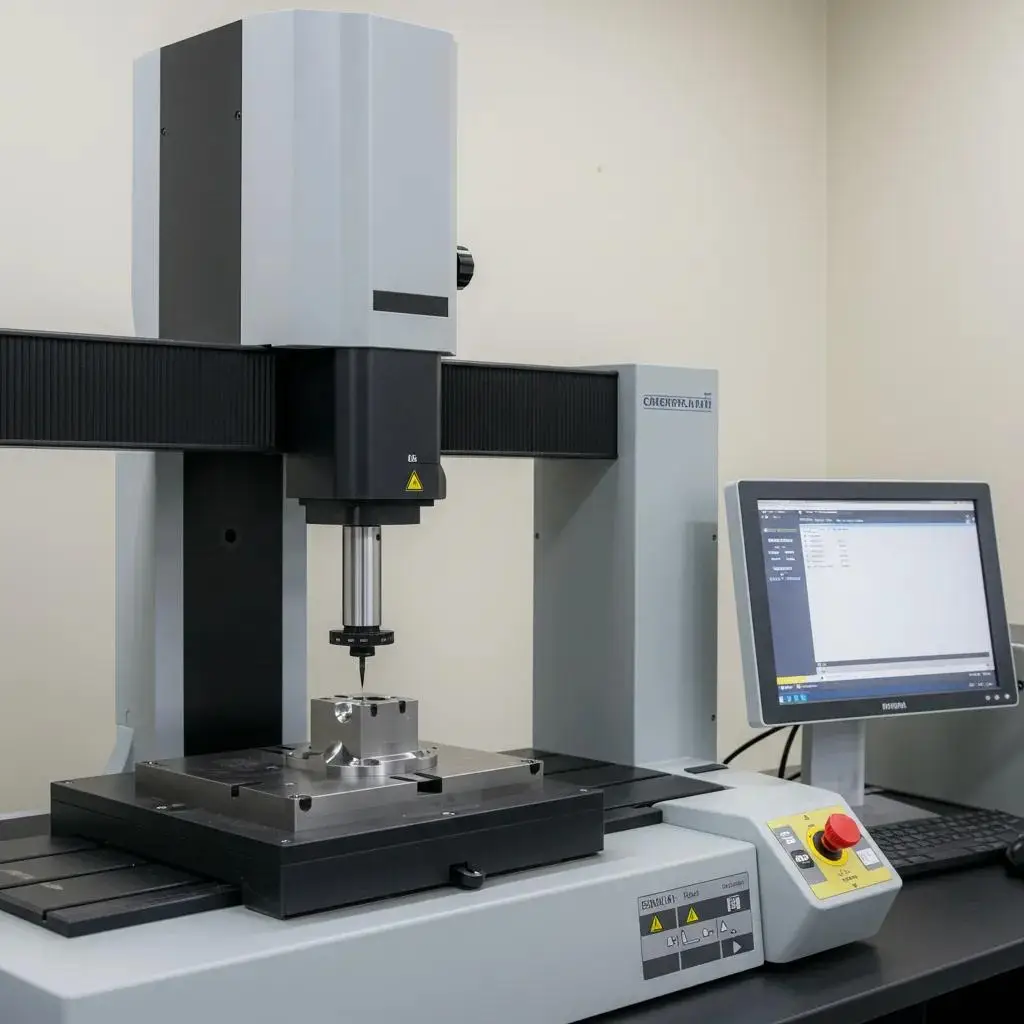
Advanced metrology seamlessly integrates coordinate measuring machines (CMM), optical comparators, laser scanning, and digital microscopy directly into QA workflows to meticulously verify both dimensional and visual attributes. These sophisticated inspection techniques capture high-resolution data on part geometry, surface finish, and assembly fit, ensuring that critical tolerances—often measured in the micrometer range—are consistently achieved. Combining comprehensive visual and dimensional inspection creates a holistic QA approach that addresses both functional performance requirements and exacting customer specifications.
What Crucial Role Do Coordinate Measuring Machines (CMM) and Optical Comparators Play?
CMMs utilize precise tactile probes to measure complex geometries and intricate positional relationships with sub-10 µm accuracy, generating detailed deviation maps against original CAD models. Optical comparators project high-contrast, magnified profiles of parts onto measurement screens, enabling rapid detection of form errors and contour discrepancies. Together, these indispensable tools meticulously validate critical features such as hole patterns, rib heights, and draft angles, actively supporting zero-defect objectives.
How Is 3D Scanning Effectively Used for Dimensional Accuracy and Visual Inspection?
3D scanning employs advanced structured-light or laser triangulation technologies to capture complete surface data sets in mere seconds, creating detailed point clouds that are precisely compared against nominal models. This highly efficient, non-contact method excels at detecting subtle warpage, accurately identifying sink marks, and verifying complex undercuts. Automated software processes enable real-time deviation analysis, significantly accelerating inspection cycles and facilitating the swift dispatch of corrective feedback to production teams.
What Are the Significant Benefits of Combining Visual and Dimensional Inspection?
Integrating meticulous visual checks with precise quantitative measurements ensures that surface imperfections—such as discoloration, weld lines, or micro-cracks—are addressed comprehensively alongside dimensional accuracy. This holistic QA approach effectively uncovers defects that single inspection methods might overlook, supports stringent cosmetic and functional requirements, and powerfully reinforces customer confidence in the ultimate part quality.
How Do Industry-Specific Quality Assurance Standards Influence Injection Molding in Medical, Aerospace, Electronics, and Automotive Sectors?
Injection molding for critical industries demands strict adherence to sector-specific QA protocols and complex regulatory frameworks. Medical device molding must satisfy stringent biocompatibility, traceability, and sterilization requirements under ISO 13485 and FDA guidance. Aerospace and automotive components necessitate compliance with AS9100 and IATF 16949 standards, placing a strong emphasis on risk management, material certification, and rigorous process validation. Electronics and telecom parts impose exacting dimensional tolerances, ESD controls, and thermal cycle testing to guarantee unwavering reliability in demanding environments.
What Are the Unique and Critical QA Requirements for Medical Device Injection Molding?
Medical components demand meticulously documented biocompatibility testing, fully validated sterilization processes, complete lot-to-lot traceability, and stringent environmental controls. QA teams implement cleanroom molding protocols, particle monitoring, and comprehensive risk assessments per ISO 14971 to ensure paramount patient safety and facilitate regulatory approval.
How Are Aerospace and Automotive QA Standards Rigorously Applied in Injection Molding?
Aerospace and automotive protocols mandate process capability studies (Cpk), detailed control plan documentation, and thorough supplier audits. Material traceability, from the original resin supplier to the finished part, along with periodic auditing by independent third-party bodies, ensures strict compliance with AS9102 inspection requirements and IATF 16949 risk-based thinking principles.
What Quality Challenges Are Commonly Encountered in Electronics and Telecom Injection Molding?
Electronics parts frequently feature micro-precision connectors and intricate thin-wall structures, necessitating extremely tight thermal control and ESD-safe manufacturing environments. QA protocols include dynamic mechanical analysis, accelerated aging tests, and precise dimensional verification to prevent connector misalignment and ensure optimal signal integrity.
How Is Technology Revolutionizing Quality Assurance in Chicago Injection Molding?
Emerging technologies—including AI-driven inspection, IoT-enabled process monitoring, and advanced predictive analytics—are fundamentally transforming QA in injection molding. Machine vision systems powered by deep learning algorithms now identify surface defects with unprecedented speed and accuracy compared to traditional manual inspection. IoT sensors continuously collect real-time data on machine health and environmental conditions, feeding sophisticated predictive models that forecast potential quality excursions. Collectively, these innovations significantly reduce downtime, lower defect rates, and optimize resource utilization.
AI-Driven Cognition for Advanced Injection Molding Quality Assurance
Plastic injection molding has been an essential part of mass production in numerous industries for many years. However, this traditional production technique cannot provide sufficient efficiency and quality in today’s competitive environment. With the growing emphasis on sustainability, the increasing use of recycled raw materials, rising turnover rates, and labor costs, an advanced and intelligent production process has become essential. This article proposes an AI-driven cognition, capable of operating independently of part geometry, raw material, and production equipment in the plastic injection molding. In pursuit of this objective, cavity pressure sensors are placed in the critical areas of the plastic injection mold. Using the data collected for each cycle, a reliable zone is identified to ensure the manufacture of high-quality parts. One of the key innovations of this study is establishing the relationship between fluctuations in the cavity pressure curve for both quality of the part and machine parameters. Based on this relationship, a CNN-based baseline knowledge learner has been developed to provide operators with actionable suggestions when the production process deviates from the reliable zone. The proposed method has been implemented with an accuracy of 98%. Following the development of the baseline knowledge, the proposed method was applied to two industrial applications. The task-oriented knowledge adaptation method was applied to these parts, which exhibit distinct characteristics regarding part shape, raw material, and quality criteria. The integration to the production site was achieved with an average accuracy of 95%.
AI-driven cognition for advanced injection molding and industrial implementation, I Lazoglu, 2025
How Does AI-Driven Inspection Dramatically Improve Defect Detection and Process Efficiency?
AI-based vision systems meticulously analyze high-resolution images to detect subtle micro-cracks, weld lines, and cosmetic flaws, continuously learning from labeled defect libraries to minimize false positives. Automated sorting and integrated feedback loops ensure that suspect parts are immediately flagged for review, accelerating critical production decisions and significantly enhancing overall throughput.
What Pivotal Role Does IoT Play in Real-Time Monitoring and Predictive Quality Analytics?
IoT devices seamlessly embedded within presses and mold assemblies stream vital temperature, pressure, and vibration data to centralized, intuitive dashboards. Advanced analytics leverage sophisticated machine learning models to identify early warning signs of equipment drift or material inconsistencies. This invaluable predictive insight enables proactive preventive maintenance and timely parameter adjustments *before* quality can be compromised.
How Are These Transformative Technologies Reducing Defects and Manufacturing Costs?
By intercepting process deviations in real time and automating defect recognition, AI and IoT solutions deliver substantial benefits:
- Decrease scrap rates by up to 30 percent through highly accurate predictive anomaly detection.
- Reduce unplanned downtime by intelligently scheduling maintenance based on actual usage data.
- Lower labor costs significantly via highly efficient automated inspection workflows.
- Accelerate production ramp-up for new molds through data-driven parameter optimization.
Why Choose Ronningen Research & Development for Unrivaled Quality-Focused Injection Molding in Chicago?
Ronningen Research & Development masterfully combines half a century of deep molding expertise with an unwavering, relentless focus on quality assurance in every injection molding process. Our Vicksburg, Michigan facility seamlessly integrates advanced SPC, certified QMS, and state-of-the-art metrology to consistently deliver high-precision parts that meet the most demanding industry requirements. Offering comprehensive turnkey capabilities from rapid prototyping to full-scale mass production, Ronningen provides end-to-end solutions meticulously tailored for the medical, aerospace, electronics, telecom, and automotive sectors. Our local responsiveness, proven innovation, and documented performance history make Ronningen the undisputed trusted partner for OEMs seeking defect-free molded components.
What Unique Value Propositions Does Ronningen Offer for Uncompromising QA Excellence?
- Over 50 years of proven, distinguished industry expertise in custom injection molding.
- ISO 9001 and ISO 13485 certified Quality Management Systems ensuring the highest standards.
- In-house tooling and rapid prototyping capabilities for accelerated design validation and iteration.
- Advanced AI- and IoT-driven QA technologies for cutting-edge, predictive defect prevention.
These formidable strengths empower Ronningen to consistently enhance yield, significantly reduce costs, and meet the tightest delivery schedules with confidence.
How Does Ronningen Expertly Support Custom Projects from Prototyping Through Mass Production?
Ronningen’s integrated service model commences with rapid sample molds and iterative prototyping cycles to meticulously validate part geometry and function. Once fully approved, in-house tooling fabrication and production molding transition seamlessly to full-scale manufacturing runs. Continuous QA oversight and ongoing process optimization ensure that production volumes consistently maintain the same exacting precision standards established during the prototyping phase.
How Can Chicago Manufacturers Gain a Competitive Edge by Partnering with Ronningen for Injection Molding QA?
Chicago-based companies gain direct, immediate access to Ronningen’s advanced quality labs, highly responsive engineering teams, and significant local supply-chain advantages. Real-time collaboration on process validation, tooling adjustments, and corrective actions dramatically reduces lead times and enhances agility in responding to dynamic market changes. Partnering with Ronningen delivers consistently superior part quality, unwavering regulatory confidence, and a decisive competitive advantage in critical industries.
A partnership with Ronningen Research & Development delivers a proven QA framework, advanced metrology, and certified processes that unequivocally guarantee high-performance molded parts. From initial design reviews to final inspection reporting, every single step is meticulously engineered for unparalleled precision and unwavering compliance. Chicago manufacturers confidently trust Ronningen’s local expertise, cutting-edge technology, and five decades of molding excellence to drive reliability, efficiency, and innovation in all their custom injection molding projects.
Discuss your project
Talk with the Ronningen team
Share your part design, material requirements, expected quantities and delivery needs. Our team can review the next steps with you.