
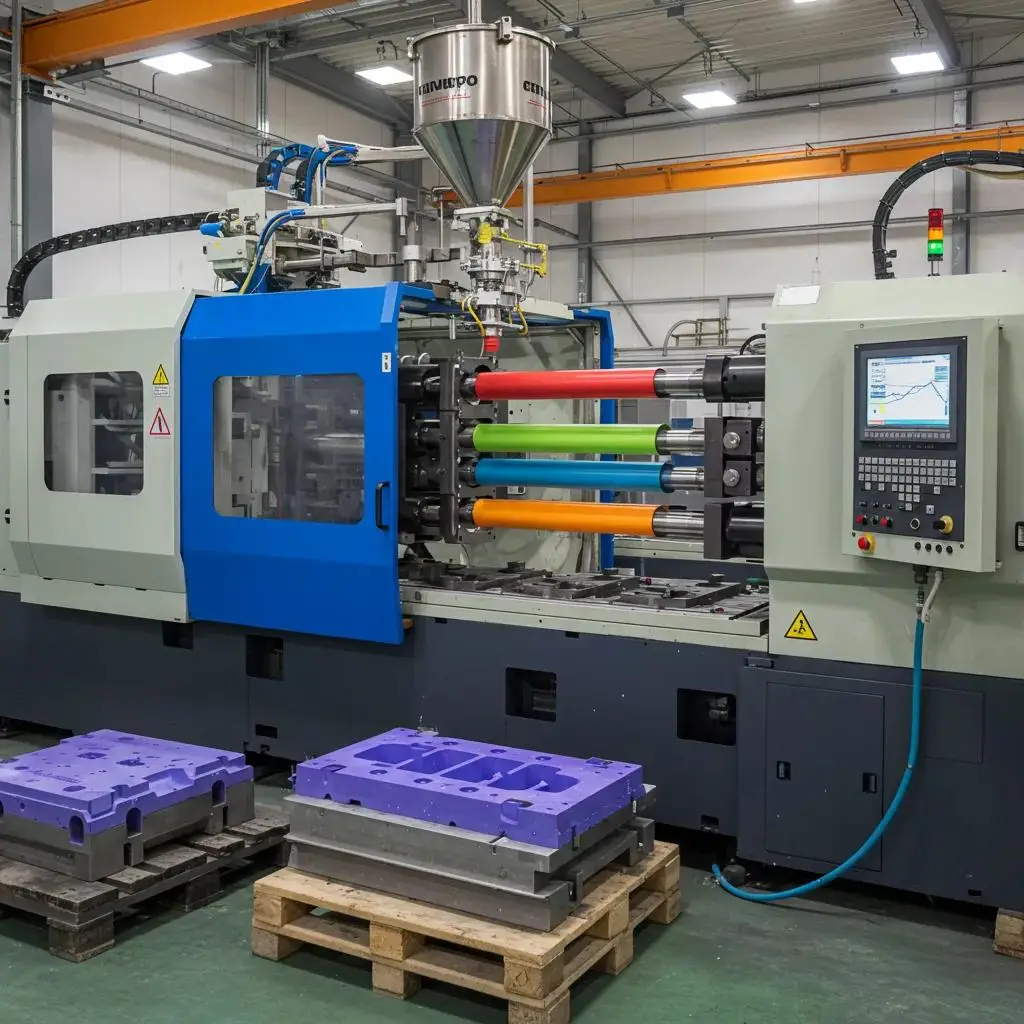
Precision Plastic Injection Molding for Construction Materials: Custom OEM Parts and Building Components
Plastic injection molding transforms thermoplastic resins into exceptionally durable, lightweight components engineered for building and infrastructure. As construction projects increasingly demand superior corrosion resistance, intricate design precision, and significant cost efficiencies, injection molding consistently delivers repeatable performance at scale. This guide explores why OEMs and engineers rely on plastic injection molding for construction materials, delves into common polymers and their applications, highlights cutting-edge processes and sustainability trends, and showcases how Ronningen Research & Development expertly integrates design, tooling, and quality control to bring custom projects to life. You’ll gain insights into material properties, application clusters—from essential piping to sophisticated window systems—innovative molding techniques, real-world success stories, future projections, and clear steps to request a tailored quote for your building-grade plastic parts.
Why Choose Plastic Injection Molding for Construction Materials?
What Are the Core Advantages of Injection Molded Plastic Components in Building?
Injection molded plastic components offer unparalleled consistency, achieved by forcing molten thermoplastic under intense pressure into meticulously crafted cavities. This results in exceptionally tight tolerances and the ability to produce complex geometries. The process empowers design freedom, allowing for integrated features like snap-fits and internal ribbing, ensuring every housing, connector, or panel meets exact specifications. High repeatability minimizes scrap rates, and precise dimensional control eliminates the need for secondary operations, streamlining production for OEMs and developers alike.
Beyond sheer precision, injection molding delivers mechanical performance that rivals traditional metal in numerous applications, thanks to optimized resin blends. For instance, engineered grades of polypropylene and ABS provide the impact resistance and UV stability crucial for exterior fixtures. The capability to incorporate specialized additives—such as flame retardants, vibrant colorants, and UV stabilizers—during the molding cycle enables the creation of multi-functional parts in a single operation. These integrated enhancements firmly establish injection molding as a strategic solution for robust, feature-rich building components.
How Does Plastic Injection Molding Enhance Durability and Corrosion Resistance?
Injection molding significantly enhances durability and corrosion resistance by encapsulating reinforcing fillers and specialized corrosion-inhibiting additives within thermoplastic matrices. During processing, the molten resin flows seamlessly into mold features, creating unified parts free from seams or weld lines that could otherwise trap moisture. For applications like PVC pipe fittings or HDPE geocell panels, this translates into water-impermeable surfaces and long-term resilience against aggressive chemicals, such as acids and alkalis commonly found in concrete or soil environments.
The inherent molecular structure of polymers like high-density polyethylene naturally resists oxidation and the formation of metal carbonates, preserving part integrity for decades. In demanding coastal or chemically exposed settings, injection molded plastic parts demonstrably outperform metal alternatives by resisting pitting and galvanic corrosion. These superior properties translate directly into reduced maintenance costs and extended service life in challenging construction environments, reinforcing injection molding as the definitive durable solution for enduring infrastructure needs.
Why Are Lightweight Plastic Parts Crucial for Construction Applications?
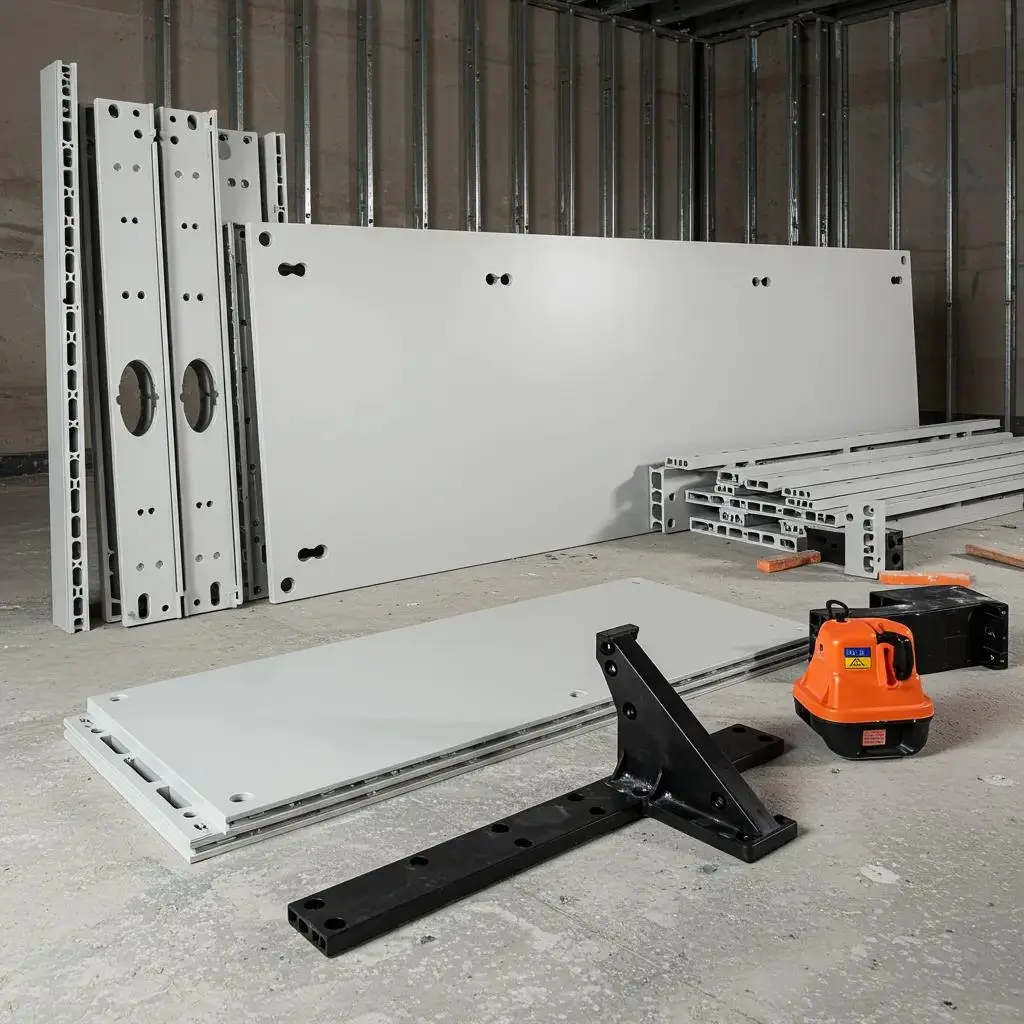
Injection molding expertly crafts components that can weigh up to 70 percent less than their metal counterparts, achieved by molding hollow sections or thin-wall geometries without compromising structural integrity. Lightweight panels, brackets, and fittings simplify handling on job sites, reducing physical strain on labor and accelerating assembly processes. Furthermore, the reduced part mass significantly lowers shipping costs and decreases carbon emissions during logistics, offering tangible benefits to project budgets and sustainability objectives.
Advanced techniques like structural foam molding enable the creation of large panels that maintain exceptional rigidity through internal ribbing, effectively combining low weight with high stiffness. This strategic weight reduction is particularly advantageous for modular housing, prefabricated façades, and portable shelters where ease of transport and rapid installation are paramount. As urbanization continues to drive the demand for more efficient building methods, lightweight injection molded plastics are becoming indispensable for streamlined construction workflows.
How Does Injection Molding Deliver Cost-Effective Solutions for OEMs?
Injection molding achieves remarkable cost-effectiveness through the amortization of tooling investments over high-volume production runs, cycle times measured in mere seconds, and minimal post-processing requirements. High-volume production spreads the initial mold fabrication costs across tens of thousands of parts, driving per-unit expenses well below those of alternative manufacturing techniques. The adoption of rapid mold technologies—such as soft tooling and aluminum inserts—further reduces upfront expenditures for pilot programs and crucial product validation phases.
Moreover, modern injection molding presses are equipped with sophisticated energy-recovery systems that can reduce power consumption per shot by up to 30 percent, thereby lowering operational expenses. When combined with automated part handling and in-mold assembly capabilities, OEMs realize substantial savings in both labor and materials. For project developers, the predictable per-piece pricing and the inherent consistent quality control of injection molding translate into reliable budget management and robust supply chain stability for even the largest building initiatives.
What Are the Primary Plastic Materials Used in Injection Molding for Construction?
Injection molding leverages a diverse array of thermoplastics, meticulously selected for their superior mechanical performance, chemical resistance, and cost-effectiveness in demanding construction environments. The following materials are predominant in building applications, offering an optimal balance of durability, processability, and economic viability:
| Polymer | Key Property | Common Use |
|---|---|---|
| Polyvinyl Chloride | Exceptional chemical and weather resistance | Pipes, window profiles, siding |
| High-Density Polyethylene | Outstanding impact toughness and UV stability | Drainage pipes, geomembranes, liners |
| Polypropylene | Superior fatigue resistance and chemical tolerance | Pipe fittings, cable clips, connector housings |
| Acrylonitrile Butadiene Styrene | High rigidity and precise dimensional accuracy | Equipment housings, brackets, fasteners |
| Polycarbonate | Remarkable impact strength and optical clarity | Protective covers, glazing inserts |
This comparative table clearly illustrates how each polymer’s inherent attributes are precisely tailored to address specific construction demands. Next, we will explore how these materials perform in actual building systems and contribute to long-term infrastructure objectives.
What Are the Properties and Applications of Polyvinyl Chloride (PVC) in Construction?
Polyvinyl chloride (PVC) is distinguished by its robust chemical resistance, inherent flame retardancy, and excellent dimensional stability, making it the premier polymer choice for conduits, window frames, and siding. Injection molded PVC fittings ensure leak-free joints in critical plumbing and fire suppression systems, while rigid PVC profiles demonstrate exceptional resistance to warping, even under prolonged UV exposure. Its inherent low cost and recyclability further enhance PVC’s appeal for both new construction projects and extensive renovation efforts.
How Is High-Density Polyethylene (HDPE) Integrated into Building Materials?
High-density polyethylene (HDPE) provides superior impact durability and outstanding UV resistance, making it the ideal material for underground drainage networks, robust septic tanks, and reliable geomembrane liners. Injection molding HDPE allows for the creation of seamless joints and integrally molded gaskets that significantly simplify installation procedures. In critical applications like retaining walls and landfill capping, HDPE’s chemical inertness effectively prevents leachate infiltration, ensuring strict environmental compliance and long-term structural integrity.
What Role Does Polypropylene (PP) Play in Injection Molded Construction Parts?
Polypropylene (PP) offers exceptional fatigue resistance and remarkable solvent tolerance, rendering it highly suitable for applications such as snap-fit pipe fittings and reusable formwork connectors. Its inherently low density contributes to reduced overall part mass, and specialized copolymer grades enhance heat resistance for demanding hot-water pipeline applications. Molded PP brackets, spacers, and cable management clips benefit from PP’s balanced stiffness and toughness, significantly streamlining electrical and mechanical installations on site.
Which Engineering Plastics Are Commonly Specified for Heavy-Duty Construction Applications?
High-performance engineering plastics, including ABS, polycarbonate (PC), and specialized nylon compounds, are essential for heavy-duty enclosures, protective covers, and structural connectors where critical load-bearing capacity and impact performance are non-negotiable. ABS excels in applications requiring precision housings and interior paneling, while PC offers a durable, transparent glazing alternative for skylights and safety shields. Glass-filled nylon compounds deliver exceptional tensile strength and wear resistance, making them ideal for gear housings in heavy lifting equipment and complex conveyor systems.
What Are the Key Applications of Injection Molded Plastic Components in Construction?
Injection molded plastics are seamlessly integrated into a wide spectrum of building systems, leveraging the unique properties of various polymers and the precision of advanced molding techniques. Key application clusters include essential plumbing, sophisticated façade systems, vital insulation supports, and robust equipment housings.
How Are Injection Molded Plastics Deployed in Plumbing and Drainage Systems?
Injection molded thermoplastic fittings—including elbows, tees, and couplings—ensure the creation of completely leak-proof plumbing and drainage assemblies by forming integral seals directly within the part geometry. Materials like PVC and HDPE are specifically chosen for their ability to withstand chemical additives found in wastewater and resist problematic scale buildup. The integration of snap-fit connectors and precision O-ring channels significantly simplifies installation and maintenance procedures in both municipal and residential water networks.
What Injection Molded Parts Are Prevalent in Window and Door Manufacturing?
While window and door manufacturers often utilize profile extrusions for frames, they rely heavily on injection molded components such as corner keys, glazing beads, and weatherstrip retainers to achieve precise corner alignment and superior sealing performance. Advanced co-injection processes enable the seamless bonding of flexible gaskets directly to rigid frames in a single molding cycle, effectively eliminating manual assembly steps and significantly improving thermal insulation efficiency.
How Do Plastic Components Enhance Structural and Insulation Elements?
Lightweight injection molded panels and innovative clip-on housings securely fasten insulation boards and radiant barrier layers without the need for metal fasteners, thereby minimizing thermal bridging. Injection molded spacer clips ensure consistent cavity depths for efficient blown-in insulation, while precisely molded support grids effectively hold foam inserts within sandwich panels. These meticulously designed components optimize overall insulation performance and simplify on-site fastening processes.
What Are Illustrative Examples of Heavy-Duty Plastic Molded Parts for Construction Equipment?
Manufacturers of heavy construction equipment frequently specify injection molded polycarbonate and glass-filled nylon for critical components such as engine covers, operator cabin panels, and protective hoods. These parts are engineered to resist harsh conditions, including exposure to diesel fuel, hydraulic fluids, and the impact of job site debris, thereby enhancing operator safety. Molded mounting brackets and fuel-system manifolds benefit from the precise tolerances achieved through injection molding, ensuring leak-free integration with complex metal assemblies.
How Does Ronningen Research & Development Excel in Custom Plastic Injection Molding for Construction?
Ronningen Research & Development offers comprehensive, end-to-end services—encompassing everything from initial part design and rapid prototyping to the creation of custom tooling, precision CNC machining, expert molding, and final assembly—to provide OEMs with complete, turnkey solutions for construction materials. Their integrated, holistic approach guarantees seamless project execution and consistently high quality for all building applications.
What Custom Design and Engineering Support Does Ronningen Offer?
Ronningen’s dedicated engineering team collaborates closely with clients to refine part geometry for optimal manufacturability, utilizing advanced mold-flow analysis to precisely determine gate locations and wall thicknesses. Early-stage rapid prototyping, employing cutting-edge SLA and SLS technologies, effectively validates form and fit, enabling iterative design improvements before the commitment to steel tooling fabrication. This collaborative partnership model significantly reduces time to market and ensures component performance aligns perfectly with critical structural requirements.
How Do Advanced Tooling and CNC Machining Elevate Manufacturing Quality?
The custom tooling meticulously developed by Ronningen incorporates sophisticated features such as multi-cavity molds equipped with conformal cooling channels. These channels dramatically accelerate cycle times and enhance dimensional stability, ensuring superior part quality. In-house CNC machining capabilities are employed to produce precision mold inserts and specialized secondary fixtures required for intricate undercuts and complex side-actions. This tight integration of mold fabrication and precision machining delivers exceptionally high-precision plastic parts, meticulously tailored to meet stringent building codes and precise installation tolerances.
What Quality Control Measures Guarantee Durable Construction Plastic Parts?
Ronningen’s rigorous quality control protocols encompass continuous in-process monitoring of critical parameters like melt temperature, shot weight, and clamp force, all meticulously documented using statistical process control charts. Finished parts undergo thorough visual inspection, precise dimensional analysis using calibrated gauges, and definitive material verification through advanced spectroscopy. These comprehensive measures guarantee that every batch of structural brackets, fittings, or housings unequivocally meets the demanding performance and regulatory standards essential for construction applications.
How Is Sustainability Influencing Plastic Injection Molding in Construction?
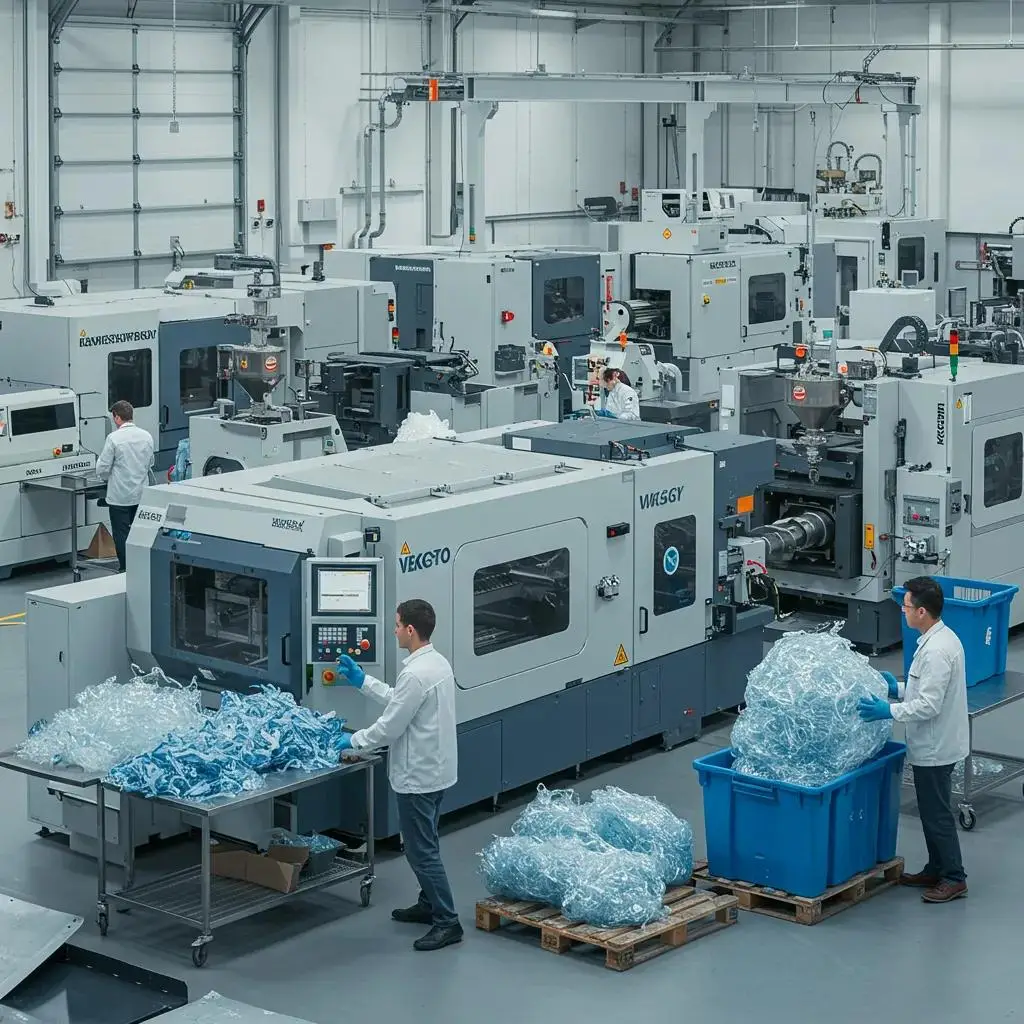
A growing global emphasis on environmental responsibility is powerfully driving innovation in the development and utilization of recycled and bio-based polymers, alongside the implementation of energy-efficient molding processes designed to significantly reduce the carbon footprints associated with large-scale building projects.
What Are the Advantages of Employing Recycled and Bio-Based Plastics in Construction?
Utilizing recycled HDPE and post-industrial PVC resins can reduce greenhouse gas emissions by as much as 40 percent when compared to virgin materials. Furthermore, bio-based polypropylene derived from sugarcane actively captures carbon during its growth cycle. These sustainable resin alternatives demonstrate comparable mechanical and chemical performance, enabling the production of structural components and façade systems that can achieve green building certifications without any compromise in durability or performance.
How Do Energy-Efficient Injection Molding Processes Minimize Construction's Carbon Footprint?
Advanced injection molding presses equipped with variable-speed drives and sophisticated servo-hydraulic systems are engineered to reclaim kinetic energy during clamp cycles. This innovative feature can reduce energy consumption per shot by an impressive 35 percent. The integration of in-mold heat recovery systems and efficient hot runner systems further minimizes temperature fluctuations and drastically reduces scrap generation. These technological advancements collectively contribute to lower life-cycle emissions for high-volume components such as pipe fittings and window accessories.
What Are the Emerging Industry Trends in Sustainable Plastic Building Materials?
The construction materials industry is actively transitioning towards cradle-to-cradle certification for plastic components, with a strong focus on polymers specifically engineered for easy disassembly and enhanced recyclability. Modular wall panels incorporating recycled polymers are gaining significant traction in prefabrication, while the development of smart additives designed to facilitate end-of-life sorting is accelerating the adoption of circular economy principles. Increasingly stringent regulatory incentives and evolving green building codes are further stimulating demand for sustainable injection molded parts.
What Advanced Injection Molding Techniques Are Applied to Construction Materials?
Complex construction applications are increasingly benefiting from specialized molding techniques that significantly expand functional capabilities and support the production of large-format parts with exceptionally tight tolerances.
How Does Custom Tooling Enhance Injection Molded Building Products?
Custom tooling meticulously engineered for construction components frequently incorporates advanced features such as collapsible cores, sophisticated side-action cams, and precise lifter pins. These elements enable the molding of intricate undercuts and integrated threads in a single, efficient shot. Conformal cooling channels embedded within the tool steel dramatically reduce cycle times and minimize warpage on large panels, ensuring superior flatness for critical façade elements. These innovative tooling advancements empower the creation of robust part designs that flawlessly meet demanding architectural aesthetics and stringent structural requirements.
What Is Overmolding and How Is It Used in Construction Components?
Overmolding is a sophisticated two-step process that expertly combines hard thermoplastics with soft elastomers to produce integrated seals, ergonomic grips, and effective vibration-damping layers. For advanced window systems, overmolding TPE gaskets onto rigid PVC frames ensures superior weather sealing performance and significantly simplifies the overall assembly process. Overmolded brackets and handles for access panels provide enhanced ergonomic comfort and superior chemical resistance, thereby improving both functionality and long-term durability.
How Are Large Format and Precision Molding Techniques Applied in Construction?
State-of-the-art large-format injection molding presses are capable of accommodating molds measuring several meters in size, ideal for producing substantial panels, complex formwork, and large housings. Precision servo-driven clamping systems are engineered to maintain uniform pressure across extended cavities, resulting in exceptionally consistent wall thickness and precise dimensional accuracy. Automated part-removal robots and integrated in-mold handling systems minimize manual intervention, making the production of large-scale structural components feasible within continuous, high-volume manufacturing environments.
What Are Notable Case Studies of Injection Molded Plastic Parts in Construction Projects?
Examining real-world applications provides compelling evidence of how injection molding effectively solves specific infrastructure challenges and actively supports the advancement of innovative building methodologies.
How Have Injection Molded Pipe Fittings Revolutionized Infrastructure Projects?
In a significant municipal water network upgrade, the implementation of injection molded HDPE elbow fittings standardized leak-proof connections across thousands of critical joints. These seamless, precision-molded parts demonstrably reduced installation time by an impressive 25 percent and virtually eliminated the need for costly field rework. The inherent corrosion resistance of HDPE components significantly extended service intervals and minimized maintenance requirements in chemically treated water mains.
What Success Stories Showcase Custom Plastic Components for Modular Housing?
A leading modular housing manufacturer successfully integrated injection molded polypropylene clips and spacers to securely fasten insulated wall panels without relying on traditional metal fasteners. This innovative solution accelerated on-site assembly times by a remarkable 40 percent and significantly improved thermal performance by effectively eliminating thermal bridges. The lightweight nature of these plastic parts also resulted in substantial reductions in transport costs for prefabricated modules destined for remote locations.
How Has Ronningen Supported OEMs with High-Performance Heavy-Duty Plastic Molded Parts?
Ronningen successfully delivered custom-designed, glass-filled nylon engine covers and protective trim components for prominent construction machinery OEMs. These parts were engineered to meet exceptionally stringent vibration-resistance criteria and demanding chemical exposure standards. The utilization of precision tooling and expert in-house assembly of metal inserts ensured that these robust housings passed rigorous ISO crash and safety tests. These custom-engineered components significantly enhanced equipment reliability in the most challenging operating conditions.
What Is the Future Outlook for Plastic Injection Molding in the Construction Industry?
Continuous innovation in polymer science and advanced process technology is steadily expanding the pivotal role of plastic components in addressing the complexities of urbanization, driving infrastructure growth, and promoting sustainable building practices.
How Will Polymer Technology Advancements Shape Construction Plastics?
Next-generation thermoplastics, meticulously engineered with advanced nanofillers and cutting-edge flame-retardant chemistries, are poised to deliver unprecedented strength-to-weight ratios and significantly improved fire safety performance. The emergence of self-healing polymer composites and intelligent additives capable of enabling real-time structural health monitoring promises to dramatically reduce long-term maintenance costs. These groundbreaking material innovations will undoubtedly broaden the scope and application of injection molded elements in critical areas such as high-rise façades and extensive civil infrastructure projects.
What Role Will Lightweight and Durable Plastics Assume in Urbanization and Infrastructure Growth?
As urban density continues to escalate, prefabricated construction methods and modular building systems are gaining significant prominence. Lightweight injection molded panels and connectors will play a crucial role in accelerating assembly processes, mitigating logistical complexities, and enabling the rapid deployment of essential emergency shelters and vital transit infrastructure. The development of long-span structural components expertly molded from advanced polymers will offer architects unprecedented design freedoms, fostering the creation of truly sustainable urban environments.
How Will Sustainability and Regulatory Changes Influence Plastic Injection Molding?
Increasingly stringent regulations concerning carbon emissions and material recyclability will inevitably accelerate the adoption of closed-loop manufacturing processes and certified recycled resins. Plastic injection molding providers will strategically invest in renewable energy-powered facilities and implement robust digital tracking systems for resin origins to meet evolving green building standards. Emerging policies mandating responsible sourcing and comprehensive end-of-life recovery protocols will further integrate circular economy principles into the production of construction plastics.
How Can You Initiate a Custom Plastic Injection Molding Project for Construction Materials?
Embarking on a custom injection molding project requires a clear, structured approach to effectively align design requirements, production capabilities, and critical delivery timelines for essential building components.
What Is the Standard Process for Requesting a Custom Injection Molding Quote?
Begin by submitting your detailed part geometry, specific functional requirements, and estimated production volumes to Ronningen Research & Development’s expert engineering team. Following an initial comprehensive review, clients will receive a detailed proposal outlining tooling costs, precise per-piece pricing, recommended material selections, and projected lead times. This transparent and thorough quote process facilitates accurate budgeting and effective project planning.
How Does Ronningen Partner with OEMs and Engineers on Custom Projects?
Ronningen assigns a dedicated project manager who expertly coordinates cross-functional teams spanning design, tooling, molding, and quality assurance. Regular design reviews and iterative prototype testing ensure that part performance consistently meets all critical structural specifications. Consistent weekly status updates and optional on-site progress reviews maintain seamless alignment with project milestones, from the initial concept phase through to the final production launch.
What Are the Typical Lead Times and Production Capacities for Construction Parts?
Standard mold fabrication for mid-size components typically requires 6–8 weeks, followed by a 2-week validation run. High-volume production runs, often exceeding 100,000 units per month, are readily achievable on multi-cavity tools. For larger-format panels, specialized presses can achieve cycle times of 5–10 cycles per hour. These robust capabilities effectively support both initial pilot projects and full-scale construction programs, ensuring consistent quality and punctual delivery.
Ronningen Research & Development stands prepared and eager to collaborate on your next custom injection molding initiative, delivering unparalleled precision, exceptional durability, and significant cost efficiency for all your construction material requirements.
Discuss your project
Talk with the Ronningen team
Share your part design, material requirements, expected quantities and delivery needs. Our team can review the next steps with you.