
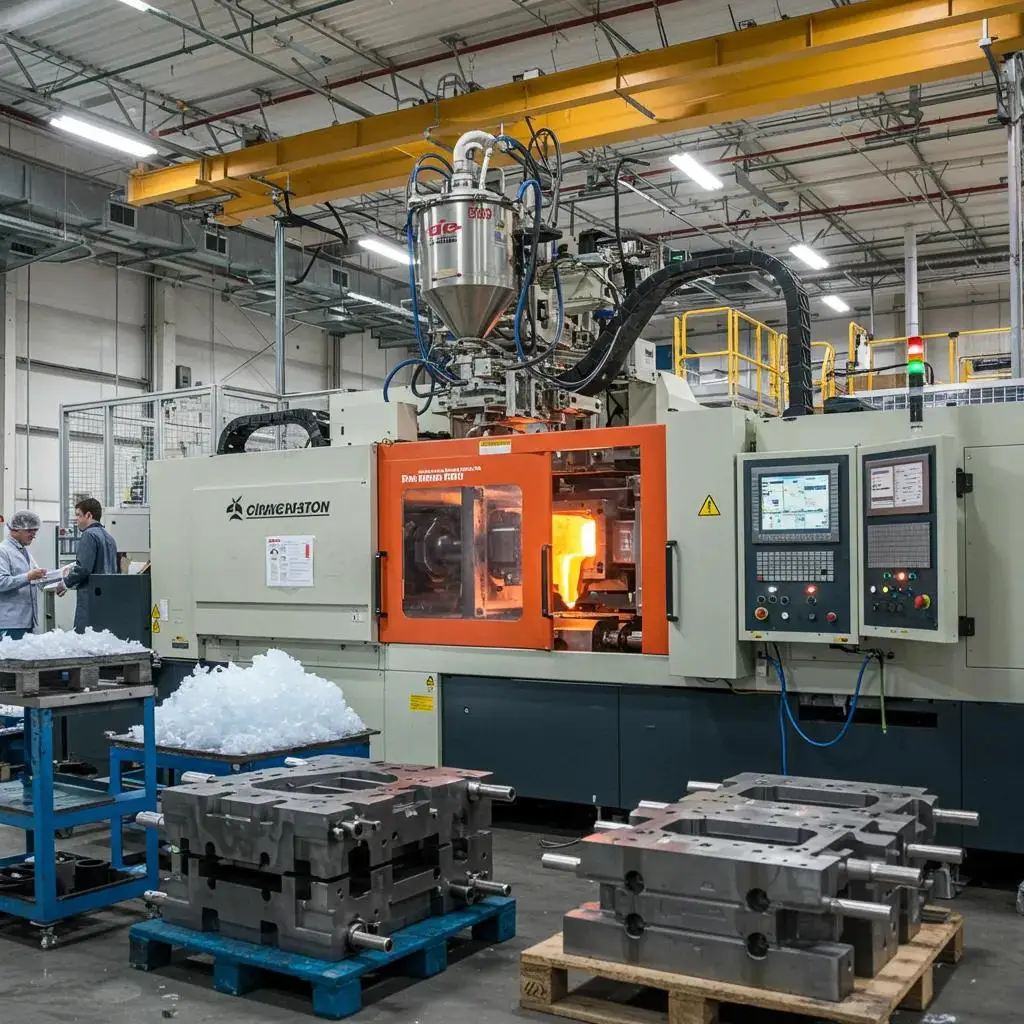
Industrial Injection Molding in Chicago: Precision, Efficiency, and Custom Solutions by Ronningen Research & Development
Industrial injection molding in Chicago offers unmatched precision, repeatability, and scalability for intricate plastic components across vital sectors like medical devices and automotive assemblies. Chicago’s OEMs and engineering teams consistently face demands for exacting tolerances, swift turnaround times, and diverse material options—challenges that Ronningen Research & Development expertly addresses with over 50 years of specialized experience in custom plastic injection molding. This guide delves into the mechanics of industrial injection molding, explores its core advantages for high-volume production, highlights Ronningen’s specialized capabilities for Chicago-area clients, and anticipates the advanced trends shaping manufacturing in 2025. You will discover:
- The essence of industrial injection molding and its significance for Chicago manufacturers
- Key benefits including precision, operational efficiency, cost optimization, and design adaptability
- How Ronningen empowers OEMs with bespoke services, quality assurance, and accelerated market entry
- Applications across the medical, aerospace, electronics, telecommunications, and automotive industries
- Emerging technologies such as Industry 4.0, sustainable materials, and micro/multi-component molding
Understanding Industrial Injection Molding and Its Role for Chicago Manufacturers
Industrial injection molding is a sophisticated, high-volume production method that involves melting thermoplastic or thermoset resins and injecting them under significant pressure into precisely engineered molds to create complex parts. By integrating automated machinery, stringent process controls, and computer-aided tooling, this technique achieves uniform wall thickness, repeatable tolerances, and intricate geometries essential for Chicago’s leading medical device, aerospace, electronics, telecommunications, and automotive sectors. Its defining features include rapid cycle times, scalable cavitation, and compatibility with advanced engineering resins that rival traditional metals in strength and durability. Grasping these foundational principles clarifies why Chicago manufacturers depend on injection molding for both initial prototyping and large-scale production runs.
The Mechanics of Plastic Injection Molding in Industrial Manufacturing
Plastic injection molding operates by heating polymer granules to a molten state, then forcefully injecting this melt into a steel mold cavity using a reciprocating screw or ram mechanism. Following a carefully controlled cooling period that solidifies the part, the mold opens, and ejector pins release the finished component. This cycle repeats in mere seconds, facilitating the production of thousands of identical parts per hour. Precise management of melt temperature, injection speed, and clamping pressure ensures consistent material flow and minimizes internal stresses. The integration of robotic pick-and-place systems and inline quality inspection further enhances manufacturers’ ability to maintain high throughput and achieve defect-free output.
Injection Molding: A Key Process for Mass-Producing Plastic Parts
Injection molding is one of the most valuable and important manufacturing processes capable of mass-producing delicate plastic parts in net shape with excellent dimensional allowance. Injection molding is used to create many things such as wire spools, packaging, bottle caps, automotive dashboards, pocket combs, some musical instruments (and parts of them), one-piece chairs and small tables, storage containers, mechanical parts (including gears), and most other plastic products available today. For many years, injection molding process and quality control has been an active research area, as part quality and yield requirements become more rigid.
Injection molding for multicomponent materials, SJ Park, 2016
Chicago Industries Benefiting from Industrial Injection Molding
Chicago’s original equipment manufacturers (OEMs) in the medical device sector require biocompatible polymers and ISO 13485-compliant cleanliness for critical surgical components and diagnostic equipment housings. Aerospace and automotive firms leverage high-performance engineering resins—such as PEEK, PPS, and polyamides—to produce lightweight, flame-retardant parts while adhering to ITAR regulations. Manufacturers in the electronics and telecommunications fields depend on miniaturized connectors, overmolded assemblies, and robust EMI-shielded housings. Producers of consumer goods utilize injection molding for ergonomic enclosures and aesthetically pleasing finishes. In every instance, injection molding offers scalability from small pilot runs to multi-million-part volumes without sacrificing precision.
The Critical Role of Injection Molding in Chicago's High-Volume Manufacturing
High-volume injection molding is exceptionally adept at delivering uniform quality across extensive production runs, significantly reducing the per-unit cost as volume increases. Automated processes minimize the need for labor-intensive tasks, while advanced tooling designs accommodate multi-cavity configurations that multiply output per cycle. For Chicago-based companies, this translates into shorter production timelines, predictable budgeting, and enhanced inventory flexibility. Closed-loop process monitoring and statistical process control (SPC) ensure zero-defect programs that meet stringent OEM standards and minimize operational downtime—a crucial advantage for just-in-time supply chains.
Key Advantages of Industrial Injection Molding for Chicago Manufacturers
Manufacturers in Chicago gain substantial benefits from industrial injection molding, including exceptional precision, accelerated production speeds, broad material versatility, significant cost efficiencies, and extensive design freedom. The following sections detail each advantage, providing actionable insights into their mechanisms and impact.
Ensuring Precision and Consistency for Complex Parts Through Injection Molding
Injection molding achieves tolerances as precise as ±0.005 inches by utilizing CNC-machined molds and real-time process controls that meticulously regulate temperature, pressure, and fill rate. Automated feedback systems correct deviations during the cycle, guaranteeing uniform fill patterns and minimizing material warpage. Precision tooling design, often incorporating conformal cooling channels fabricated through hybrid 3D printing, accelerates solidification while preserving geometric accuracy. This level of consistency is indispensable for components like medical device connectors, aerospace airflow ducts, and telecom optical connectors where interchangeability and unwavering reliability are paramount.
Injection Molding Efficiency for High-Volume Production
Rapid cycle times, frequently under 30 seconds, combined with multi-cavity molds and automated part removal systems, enable the production of thousands of components per shift. Injection molding machines equipped with servo-driven hydraulic systems optimize energy usage and expedite clamping movements. Inline robotics manage part handling and packaging, freeing human operators for critical quality oversight. As production volume escalates, the cost per part decreases dramatically, empowering Chicago OEMs to meet aggressive delivery schedules and respond agilely to market dynamics.
Material Options and Their Impact on Strength and Versatility
Chicago manufacturers can select from an extensive array of polymers, including ABS, polycarbonate, engineering nylons, PEEK, PPS, and glass-filled composites, each offering distinct mechanical, thermal, and chemical properties. High-strength resins provide metal-like stiffness, while elastomeric blends facilitate soft-touch overmolding for ergonomic grips. Biocompatible, medical-grade plastics meet ISO 10993 standards, and UV-stabilized formulations are designed for outdoor durability. Advanced filled materials, such as carbon fiber–reinforced or glass-microsphere-filled composites, reduce weight, enhance dimensional stability, and broaden the scope of potential applications.
| Material Category | Key Characteristic | Typical Use Case |
|---|---|---|
| Polycarbonate (PC) | Exceptional impact resistance | Protective eyewear, electronic enclosures |
| PEEK | Superior chemical & thermal resilience | Aerospace bearings, medical implants |
| Glass-filled Polyamide | High stiffness, minimal creep | Automotive components for under-hood applications |
| Biocompatible PP & PE | Sterilization compatibility | Surgical instruments, diagnostic connectors |
These diverse material choices empower Chicago-based product developers to optimize part performance, enhance durability, and ensure regulatory compliance across a wide spectrum of industries.
Cost Reduction and Waste Minimization Through Injection Molding
Injection molding drives significant cost efficiencies by automating the mold filling, cooling, and ejection processes. Scrap rates are typically kept below 3 percent, as runners and sprues can be regranulated and reintroduced into the production cycle. Low labor requirements reduce overhead costs, while high-throughput cycles effectively amortize tooling investments over large production volumes. Energy-efficient machine designs and heat recovery systems further contribute to lower operating expenses. For clients, these savings translate into competitive pricing, optimized inventory levels, and sustainable manufacturing practices that align with environmental objectives.
Design Flexibility for Custom Chicago Projects with Injection Molding
Injection molding accommodates intricate features such as thin walls, undercuts, and living hinges, made possible by advanced slide mechanisms and gating techniques. Multi-component molds allow for the overmolding of dissimilar materials (e.g., soft and hard plastics) in a single cycle, eliminating the need for secondary assembly steps. Complex textures, integrated in-mold labeling, and custom color options allow for the simultaneous incorporation of functional and aesthetic elements at scale. Design for manufacturability (DFM) reviews conducted by experienced engineers ensure optimal gate placement and draft angles, which in turn reduce cycle times and minimize tooling wear. This comprehensive design freedom empowers Chicago product developers to pursue innovative solutions without compromise.
Ronningen Research & Development: Supporting Chicago's Industrial Injection Molding Needs
Ronningen Research & Development supports Chicago-area manufacturers through its Michigan operations, remote project management, logistics and engineering services. The company publishes ISO 9001:2015 and UL fabricated-parts listing information. Discuss the current scope, required documentation and any project-specific qualifications with the team.
Custom Injection Molding Services Tailored for Chicago OEMs
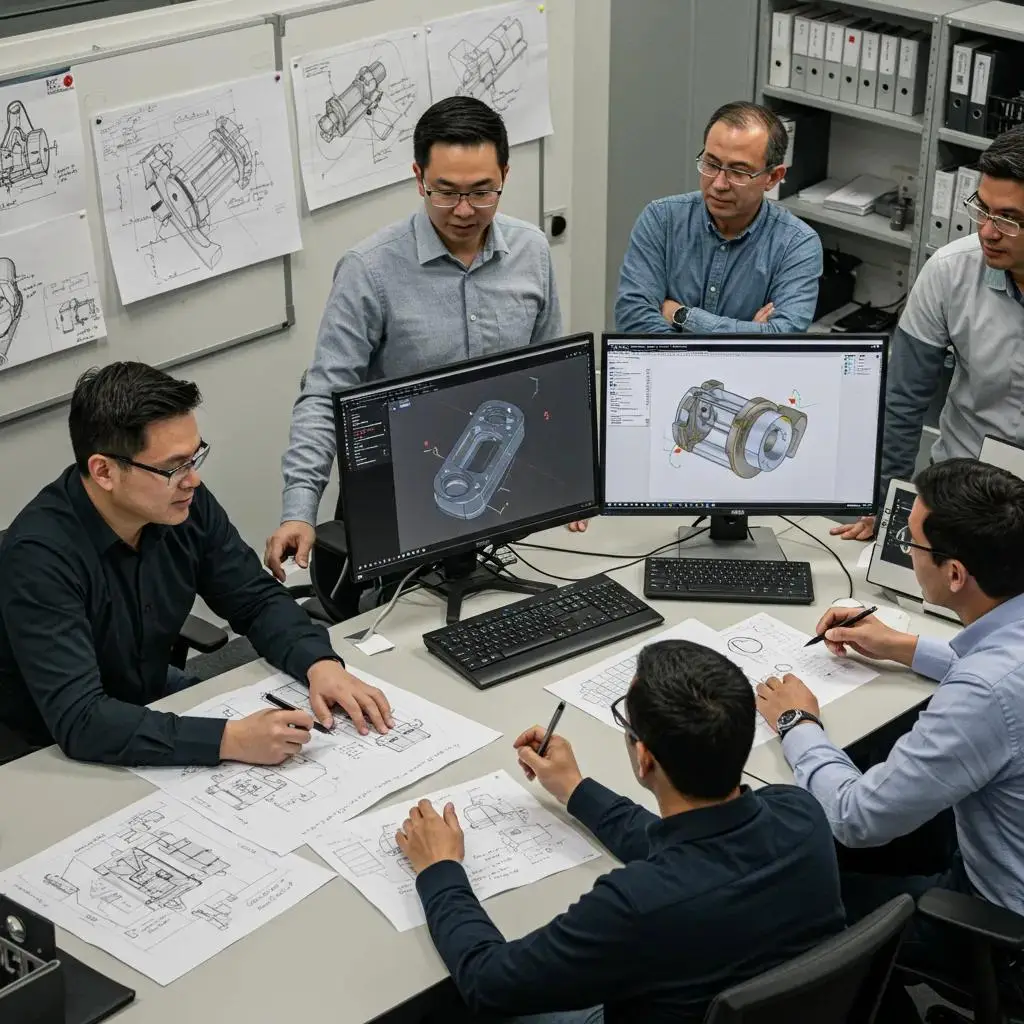
- Prototype Development & Rapid Tooling: Utilizing 3D-printed molds and soft-steel prototypes accelerates design validation and significantly shortens time to market.
- High-Volume Production: Employing multi-cavity hardened steel molds ensures consistent output for production runs exceeding one million parts annually.
- Secondary Operations: Offering integrated services such as ultrasonic welding, hot stamping, custom coloration, pad printing, and insert molding provides comprehensive, turnkey solutions, reducing the need for multiple suppliers.
Ensuring Quality and Compliance for Chicago Manufacturers
Quality planning should connect the component drawing, material specification and inspection requirements. Statistical process control can track production parameters, while coordinate measuring machines can check critical dimensions where appropriate. Review the current scope of Ronningen’s published ISO 9001:2015 and UL fabricated-parts information, and confirm any additional contractual or regulatory requirements before placing work.
Ronningen’s Proven Experience with Chicago-Based Industrial Manufacturing Projects
Since its founding in 1966, Ronningen Research & Development has consistently delivered custom-molded parts for Fortune 100 and 500 OEMs across the medical, aerospace, telecommunications, electronics, and automotive sectors. Notable recent projects serving the Chicago market include the development of lightweight housings for advanced diagnostic instruments and high-performance polymer gears for urban transit systems. This extensive track record solidifies Ronningen’s position as a reliable and innovative partner for local manufacturers seeking superior quality and cutting-edge solutions.
Accelerating Time to Market for Chicago Clients
By integrating rapid prototyping, hybrid mold fabrication techniques, and concurrent engineering reviews, Ronningen effectively compresses design cycles and tooling lead times by up to 40 percent. Proactive design-for-manufacturability (DFM) input and on-site validation tooling help identify and resolve potential issues early in the process, ensuring seamless transitions from prototype to mass production for Chicago-based programs.
Chicago Industries Thriving with Industrial Injection Molding
Chicago’s vibrant manufacturing landscape encompasses a diverse range of critical industries where injection molding provides distinct and significant advantages.
Meeting Medical Device Manufacturing Standards in Chicago
Components for medical devices demand strict adherence to biocompatibility, dimensional stability, and sterilization compatibility standards. Injection molding, utilizing medical-grade resins and conducted within cleanroom environments, ensures full compliance with ISO 13485 and FDA guidelines. Precision-engineered molds produce components like catheter connectors, drug-delivery system housings, and surgical tool handles with sub-micron tolerances, directly supporting patient safety and product reliability.
Advantages for Aerospace and Automotive Parts
Aerospace and automotive applications necessitate components with high strength-to-weight ratios, inherent flame retardance, and resilience to extreme operating temperatures. Advanced engineering thermoplastics, such as PEEK and PPS, deliver these critical properties while enabling part weight reductions of 30–50 percent compared to traditional metal alternatives. ITAR-compliant processes and rigorous traceability protocols guarantee the security and quality required for defense and commercial aviation components.
Supporting Electronics and Telecommunications Manufacturing
The production of miniaturized connectors, optical transceiver housings, and EMI-shielded enclosures relies heavily on intricate molding techniques and high-precision assembly. Overmolding soft seals onto rigid frames creates integrated gaskets that effectively protect sensitive electronic components. Fine-feature molds are capable of producing sub-millimeter details, which are essential for high-speed data modules and advanced handheld devices.
Ideal Applications for Consumer Electronics and Telecom OEMs in Chicago
The consumer electronics sector requires consistent cosmetic finishes, robust snap-fit assemblies, and surfaces resistant to scratching. Injection molding facilitates the integration of textured molds and in-mold labeling for enhanced brand aesthetics, while simultaneously maintaining the precise dimensional accuracy needed for component mating. High-volume production runs optimize the cost per unit, enabling competitive pricing strategies in fast-paced market environments.
Advanced Injection Molding Technologies and Trends Shaping Chicago Manufacturing in 2025
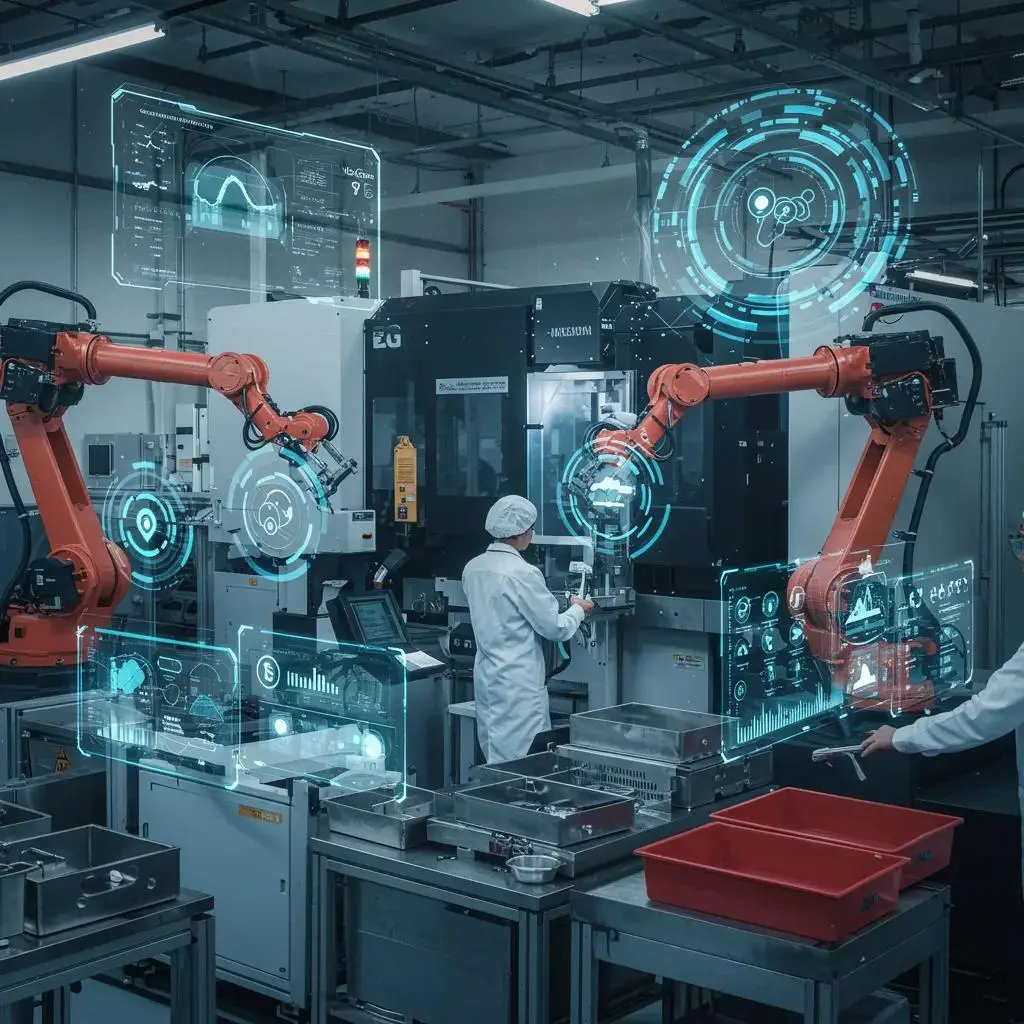
Chicago manufacturers embracing Industry 4.0 principles, sustainable materials, and advanced tooling solutions are poised to gain significant competitive advantages in 2025 and beyond.
Industry 4.0's Transformation of Injection Molding Processes
The integration of IoT sensors within molds enables the collection of real-time data on critical parameters like temperature, pressure, and cycle times. AI-driven analytics can predict potential maintenance needs, thereby reducing unplanned downtime by up to 30 percent. Cloud-based platforms facilitate remote monitoring of production runs in Chicago facilities, ensuring process stability and consistent product quality.
The Role of Sustainable and Advanced Materials
The development and use of biodegradable polymers, recycled resin blends, and natural-fiber composites are increasingly driven by environmental regulations and corporate sustainability goals. Circular economy initiatives focus on recycling scrap runners into non-critical components, reducing material costs and minimizing landfill waste. Advanced composites, such as carbon-fiber reinforced thermoplastics, are enabling the production of lightweight, high-strength parts for applications like automotive EV battery modules and aerospace interior panels.
Improving Injection Molding Efficiency with Automation and Robotics
Robotic systems for part removal, assembly, and packaging eliminate manual handling errors and significantly boost production throughput. Collaborative robots (cobots) positioned near injection molding presses can perform in-cycle quality checks and precisely insert metal components for insert molding processes. Automated storage and retrieval systems (AS/RS) streamline inventory management within Chicago manufacturing cells.
Benefits of Micro and Multi-Component Molding
Micro molding technology allows for the production of parts weighing less than 1 gram with features as fine as 0.1 mm, making it ideal for highly specialized applications such as medical implants and microfluidic devices. Multi-component molding enables the combination of different material types (e.g., rigid and elastomeric) in a single molding cycle, creating integrated seals and overmolded grips that enhance functionality without requiring secondary assembly operations.
Enhancing Injection Mold Tooling with Hybrid 3D Printing
Additive manufacturing techniques are employed to create conformal cooling channels directly within steel mold inserts. This advanced cooling method improves heat transfer efficiency, leading to cycle time reductions of up to 20 percent. The rapid production of prototype molds using selective laser sintering (SLS) allows Chicago engineers to swiftly validate design revisions before committing to the investment in hardened steel tooling.
Addressing Unique Manufacturing Challenges with Custom Injection Molding in Chicago
Chicago’s manufacturers frequently encounter challenges related to variable production volumes, complex part designs, and demanding timelines. Ronningen addresses these issues through highly tailored engineering solutions and flexible production strategies.
Design Support and Engineering Services Provided
Ronningen’s dedicated engineering team conducts thorough design-for-manufacturability (DFM) analyses, optimizing critical aspects like wall thickness, gate locations, and draft angles to ensure the production of robust parts and consistent molding cycles. Advanced 3D CAD simulations are utilized to predict material flow patterns and potential warpage, guiding necessary tool modifications prior to fabrication.
Enhancing Injection Molded Parts with Secondary Operations
Ultrasonic welding provides a method for fusing plastic subassemblies without the use of adhesives, creating hermetic seals essential for fluid-handling devices. Hot stamping and pad printing are employed to apply durable labels and logos. Custom coloration and textured finishes serve to differentiate products while maintaining the integrity of the material’s performance characteristics.
Flexible Handling of Low-Volume and High-Volume Production
Small-batch production runs benefit from the use of rapid prototype molds and softer tool steels, offering a cost-effective approach to design validation. For high-volume needs, hardened multi-cavity molds are employed to achieve production of millions of parts with minimal tool wear. This inherent scalability allows Chicago clients to effectively pilot new designs and then transition smoothly into full-scale manufacturing.
Logistics and Service Advantages for Chicago Clients
Although headquartered in Michigan, Ronningen leverages robust shipping partnerships and regional distribution networks to ensure reliable just-in-time delivery to Chicago-area manufacturing facilities. Advanced remote project management tools provide clients with real-time updates on tooling progress, production status, and quality metrics, significantly reducing uncertainty regarding lead times.
Why Partner with Ronningen Research & Development for Chicago Industrial Injection Molding?
Ronningen combines over five decades of specialized molding expertise with cutting-edge technology and a deeply ingrained customer-centric approach, delivering dependable, innovative solutions that maintain Chicago OEMs’ competitive edge.
How Ronningen’s Experience Benefits Chicago OEMs and Product Developers
With a history dating back to 1966, Ronningen’s seasoned team possesses a profound understanding of complex part geometries, demanding material specifications, and intricate regulatory landscapes. This extensive knowledge base accelerates problem-solving, minimizes costly revisions, and fosters a culture of continuous improvement.
Quality Certifications and Standards Maintained
Ronningen publishes ISO 9001:2015 quality-management and UL fabricated-parts listing information. Confirm current certification scope, traceability, inspection and documentation requirements with the team for the specific component. Additional qualifications required for a defense or other regulated project must be confirmed before work is placed.
Fostering Innovation and Customer Service Excellence
Dedicated cross-functional teams collaborate closely on process optimization, material selection, and lifecycle analysis. Regular performance reviews and ongoing continuous improvement initiatives ensure that Chicago clients receive proactive recommendations designed to enhance part performance and reduce overall costs.
Client Success Stories and Case Studies from Chicago Projects
Recent collaborative projects have resulted in the successful production of lightweight diagnostic instrument housings with integrated overmolded seals, achieving a 25 percent weight reduction and a 30 percent improvement in cycle time. One telecommunications OEM realized significant annual savings—in the five-figure range—by transitioning to high-efficiency multi-cavity molds, which reduced per-unit costs by 15 percent.
Getting Started with Custom Industrial Injection Molding in Chicago
Engaging Ronningen for your Chicago-based projects is a straightforward process designed for rapid and efficient response.
Process for Requesting a Custom Quote
Chicago clients can initiate the process by submitting their design files and project specifications through our secure online inquiry form or by directly emailing our sales engineering team. A dedicated project manager will then review your requirements and schedule a consultation to thoroughly discuss volume needs, tolerance specifications, and material preferences.
Information to Prepare for Accurate Project Estimates
To ensure the most accurate project estimates, please be prepared to provide CAD models or 2D drawings, your desired annual or monthly production volumes, preferred polymer grades, specific surface finish requirements, and details regarding any applicable regulatory or testing standards. Early consultation regarding secondary operations is also recommended to ensure complete cost transparency.
Supporting Project Planning and Timelines
Rapid prototyping and the development of soft-steel molds allow for initial part validation within a matter of weeks. Concurrent tool machining and process qualification efforts serve to compress the overall lead time. Detailed project plans are provided, clearly outlining key milestones, including tool completion, process validation, and the production launch date.
Next Steps After Receiving a Quote
Following quote approval, Ronningen will issue a comprehensive project agreement that details tooling deliverables, production schedules, and quality checkpoints. Prototype runs are conducted to validate the part design, followed by pilot production and full-scale manufacturing once all specifications have been finalized and approved.
Consistent precision, exceptional material versatility, and scalable production capabilities solidify industrial injection molding as a fundamental pillar of Chicago’s advanced manufacturing sector. By partnering with Ronningen Research & Development—a company backed by 50 years of specialized molding expertise, robust quality assurance systems, and a commitment to innovative technologies—OEMs and product developers gain a trusted ally in achieving aggressive performance targets, meeting critical cost objectives, and adhering to demanding time-to-market deadlines.
Contact our expert team today to explore how custom injection molding solutions can elevate your next Chicago-based project.
Discuss your project
Talk with the Ronningen team
Share your part design, material requirements, expected quantities and delivery needs. Our team can review the next steps with you.